Top 10 Renewable Energy Solutions for Global Buyers?
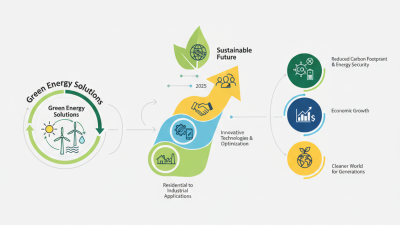
As the world shifts towards sustainable energy, renewable energy solutions are becoming essential. Experts in the field highlight the importance of these innovations. Dr. Emily Thompson, a leading researcher in renewable energy, states, "Adopting renewable energy solutions is vital for a sustainable future." This underscores how crucial it is for global buyers to consider these technologies.
Various solutions exist, including solar panels, wind turbines, and bioenergy systems. Each option presents unique advantages and specific challenges. For example, solar energy offers accessibility but can be limited by geographical factors. Wind energy is powerful but relies on consistent gusts. Understanding these nuances fosters informed decisions.
The transition to renewable solutions isn't without hurdles. Cost, technology, and policy play significant roles in adoption. Buyers must navigate these complexities carefully. Embracing renewable energy solutions can lead to substantial long-term benefits, despite these challenges. The urgency for action grows as we face climate change impacts. Engaging with these solutions will shape a resilient and sustainable future.
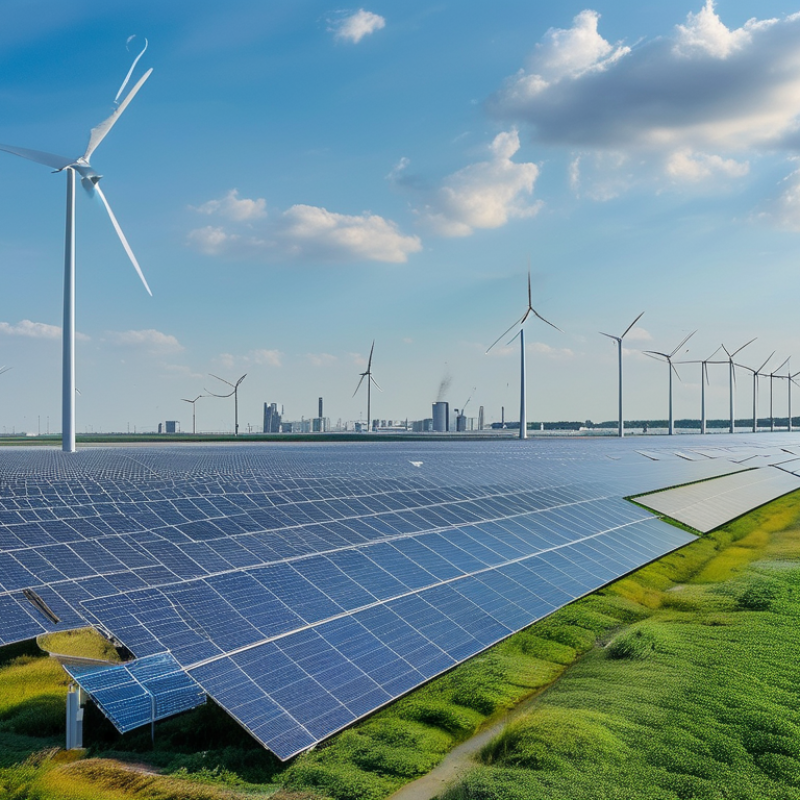
Overview of Renewable Energy Solutions for Global Buyers
Renewable energy solutions have gained attention among global buyers for their sustainability and cost-effectiveness. These solutions include solar power, wind energy, hydroelectricity, and bioenergy. Each option offers distinct advantages while also posing unique challenges. For instance, solar energy relies on sunlight availability, limiting its effectiveness in certain regions. Wind energy, while abundant in some areas, can face opposition from local communities concerned about noise and aesthetic impact.
Understanding buyer needs is crucial. Some buyers may seek large-scale solutions, while others might look for localized systems. Bioenergy is versatile but depends on agricultural resources, which raises questions about land use. There’s also a growing interest in energy storage technologies. These systems help manage energy supply, yet this field needs advancements for broader applicability.
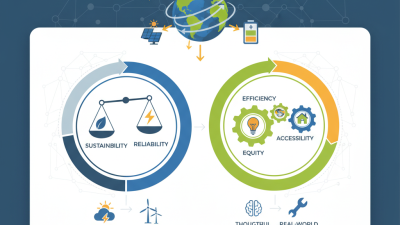
Global buyers must weigh benefits against potential drawbacks. The initial investment for renewable projects can be substantial. Nonetheless, the long-term savings and environmental benefits often outweigh these start-up costs. Adapting to regional variations in energy needs is also essential. In summary, while the transition to renewable energy is promising, each solution requires careful consideration and planning.
Solar Energy Solutions: Technologies and Market Trends
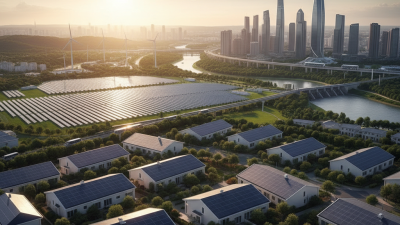
Solar energy has emerged as a leading solution in the renewable energy landscape. Its technologies have evolved significantly in recent years. Photovoltaic systems are now more efficient and affordable than ever. This evolution has created opportunities for various markets worldwide. Many buyers are eager to tap into solar energy's potential.
Yet, challenges remain. Not every region has the same access to sunlight. Some areas have fluctuating weather that affects energy production. Additionally, installation costs can be a barrier for many consumers. Understanding these nuances is crucial for global buyers. They must consider local conditions and regulatory frameworks to make informed decisions.
The market trends indicate a growing adoption of solar energy. Innovative solutions, like solar batteries, enhance energy storage. These advancements improve energy reliability and sustainability. However, the industry must continue to address issues like recycling solar panels. Developing a circular economy is essential for long-term growth. As the solar market flourishes, continuous reflection and innovation are vital for sustained progress.
Wind Energy Innovations: Types and Global Applications
Wind energy is at the forefront of renewable solutions. With advancements in technology, it has become more efficient and accessible. By 2022, the global wind energy capacity reached over 900 gigawatts, a testament to its growing significance. Countries are rapidly adopting wind power to combat climate change. This transition aligns with global targets to cut carbon emissions significantly by 2030.
Different types of wind energy systems exist worldwide. Onshore wind farms dominate the landscape, contributing the majority of energy generation. Offshore wind farms are gaining traction, notably in Europe. They harness stronger winds over water, yielding higher energy outputs. A report from the Global Wind Energy Council indicates that offshore capacity could surpass 234 gigawatts by 2030. However, challenges persist. Environmental concerns and high initial investments often hinder expansion.
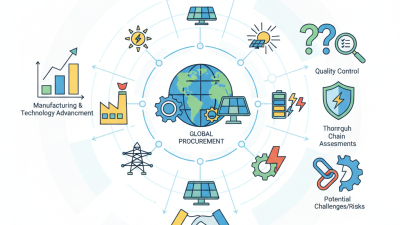
Innovative technologies are transforming wind energy systems. Turbine designs have become more efficient. Smart grid integration helps to optimize energy distribution. Yet, the industry faces hurdles in addressing supply chain issues and regulatory frameworks. Embracing these challenges will be key to unlocking the full potential of wind energy and driving global adoption.
Biomass Energy: Sustainable Practices and Economic Impact
Biomass energy stands out as a key renewable solution in today's energy landscape. According to the International Renewable Energy Agency (IRENA), biomass contributed to about 50% of the global renewable energy use in 2020. This figure illustrates the significance of harnessing organic materials for energy. Key sources include agricultural residues, wood chips, and dedicated energy crops.
Sustainable practices in biomass production are crucial. They can mitigate deforestation and enhance soil health. However, land-use change can also lead to negative environmental impacts. The Food and Agriculture Organization (FAO) warns that mismanaged biomass extraction may result in biodiversity loss. Thus, it’s imperative to follow sustainable sourcing guidelines. Investing in local supply chains can help reduce transportation emissions and support community economies.
Tip: When sourcing biomass energy, prioritize suppliers who engage in responsible land management practices. This approach ensures a lower carbon footprint and sustained economic benefits for local communities.
Another notable aspect is the economic impact. The biomass sector supports millions of jobs globally. However, the market faces challenges like fluctuating prices and competition from fossil fuels. Stakeholders should carefully assess the balance between profitability and sustainability. It's essential to remain adaptive to market changes.
Tip: Focus on innovation in biomass technology to improve efficiency. This strategy can enhance yields and make biomass more competitive against other energy sources.
Emerging Technologies in Hydropower and Geothermal Energy
Emerging technologies in hydropower and geothermal energy are reshaping the renewable energy landscape. Innovations in hydropower systems, like small modular plants, are now more efficient and less disruptive to ecosystems. These plants can harness energy from rivers while maintaining aquatic biodiversity. This shift is crucial as traditional large-scale dams often cause ecological damage. With increased efficiency, smaller plants provide an appealing alternative for remote and underserved areas.
Geothermal energy is also seeing significant advancements. Enhanced geothermal systems (EGS) allow for energy extraction from deeper hot rock formations. This process can produce consistent energy, regardless of weather conditions. Yet, it raises concerns about land use and potential seismic effects. Striking a balance between progress and environmental integrity is essential. The ongoing research may lead to safer practices for geothermal expansion while ensuring reliable energy for communities.
Collaborative efforts among researchers, policymakers, and local communities are vital. Engaging stakeholders can help address public concerns and enhance project acceptance. It's necessary to reflect on the potential challenges in deploying these technologies. By sharing knowledge and experiences, we can better understand the complexities of hydropower and geothermal energy. This evolving sector holds promise for a sustainable future, but careful consideration is key to its success.
Top 10 Renewable Energy Solutions for Global Buyers
| Rank |
Technology Type |
Description |
Global Adoption Rate (%) |
Key Benefits |
| 1 |
Hydropower |
Utilizes water flow to generate electricity. |
16% |
Reliable, efficient, low emissions. |
| 2 |
Geothermal |
Energy harnessed from the Earth's heat. |
3% |
Sustainable, low carbon footprint, base load power. |
| 3 |
Wind Energy |
Converts wind energy into electricity using turbines. |
10% |
No emissions, scalable, inexpensive over time. |
| 4 |
Solar Energy |
Uses solar panels to convert sunlight into electricity. |
11% |
Widely available, minimal operational costs. |
| 5 |
Biomass |
Organic materials converted into energy. |
2% |
Reduces waste, renewable source of energy. |
| 6 |
Tidal Energy |
Energy generated from tidal movements. |
<1% |
Predictable energy source, low emissions. |
| 7 |
Wave Energy |
Harnesses energy from ocean surface waves. |
<1% |
Potential for high energy efficiency, renewable. |
| 8 |
Hydrogen Energy |
Zero-emission fuel derived from water and other sources. |
<1% |
Clean, versatile, energy-dense. |
| 9 |
Nuclear Energy |
Uses nuclear reactions to generate heat for electricity. |
10% |
Low emissions, high output per facility. |
| 10 |
Waste-to-Energy |
Biomass power generation via incinerating waste. |
2% |
Reduces landfill, generates electricity from waste. |