Top 10 Renewable Energy Systems for Global Buyers?
In recent years, the need for renewable energy systems has surged globally. As the world grapples with climate change, countries are stressing the importance of sustainable energy. Renewable energy systems, such as solar and wind, offer viable solutions to this pressing issue.
Investors and consumers alike are drawn to renewable options. They promise not only reduced carbon footprints but also potential long-term savings. However, selecting the right system can be overwhelming. The market is flooded with options, making informed choices essential.
Understanding the top renewable energy systems can help buyers navigate this complex landscape. These technologies vary in efficiency, cost, and suitability for different regions. It is crucial to consider local resources and conditions. Some systems may require upfront investments that lead to significant savings down the line. Yet, buyers must remain cautious and assess the reliability and support offered by vendors.
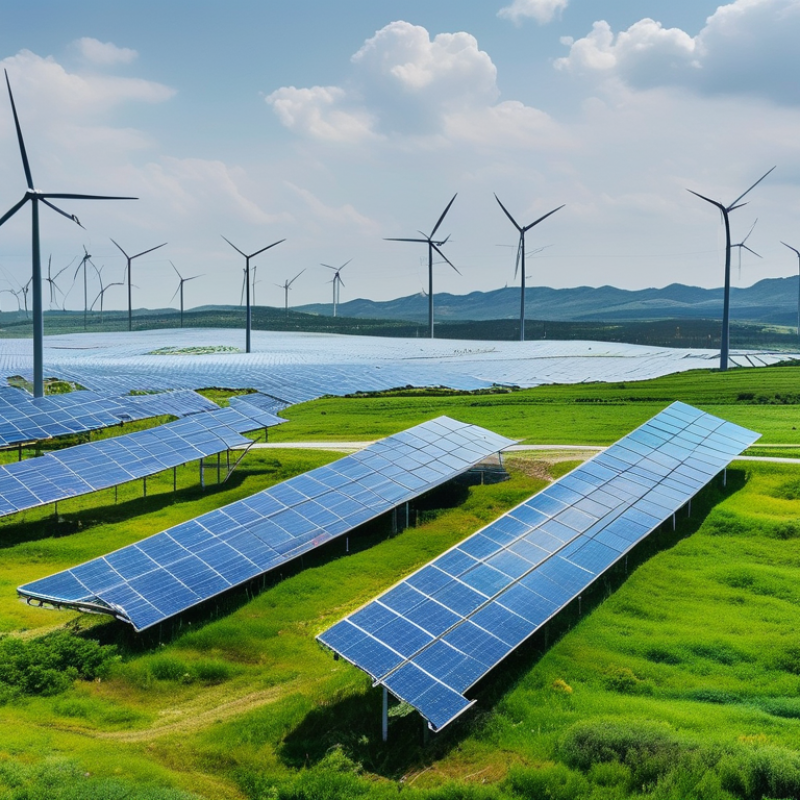
Top 10 Renewable Energy Systems for Global Buyers
The renewable energy sector is experiencing rapid growth worldwide. According to the International Renewable Energy Agency (IRENA), renewable energy capacity increased by 9.6% in 2020, reaching 2,799 GW globally. This rising capacity underlines a substantial shift towards cleaner energy sources.
Solar energy remains a leader in this transition. In 2020, it accounted for approximately 48% of new power installations. Wind energy, with its remarkable 93.5 GW of added capacity, follows closely behind. The increase in efficiency and reductions in costs make these systems highly attractive for global buyers. Nevertheless, substantial challenges persist. For instance, energy storage technologies, critical for balancing supply and demand, are still developing.
Geothermal, hydropower, and biomass also play pivotal roles. Enhanced geothermal systems show promise but require significant upfront investments. Hydropower, while established, faces environmental scrutiny. Biomass energy offers a sustainable waste solution, but logistical issues remain. The diversity of renewable systems showcases potential, yet each presents unique obstacles that need careful consideration.
Overview of Global Renewable Energy Market Trends and Growth Projections
The global renewable energy market is witnessing significant growth. According to recent studies, investment in renewable energy technologies is increasing steadily. This trend is driven by a need to reduce carbon emissions and combat climate change. Countries are focusing more on solar, wind, and hydro energy systems. This shift indicates an awareness of the environmental impacts of fossil fuels.
As the demand for clean energy rises, advancements in technology play a crucial role. New innovations in energy storage are making renewable options more viable. However, the industry still faces challenges. Supply chain issues and fluctuating resource availability can hinder progress. Additionally, some regions struggle with infrastructure to support renewable energy systems.
Despite these obstacles, the outlook remains positive. Emerging markets are identifying renewable energy as a pathway to sustainable growth. Governments are providing incentives and support for cleaner energy projects. There is a growing global collective effort to embrace renewable energy. The journey towards a sustainable future requires continuous adaptation and collaboration among stakeholders.
Top 10 Renewable Energy Systems for Global Buyers
This chart illustrates the projected growth of various renewable energy systems globally over the next five years. The data reflects increasing investment and adoption trends in solar, wind, hydroelectric, geothermal, and biomass energy sources.
Solar Energy Systems: Adoption Rates and Cost Analysis by Region
Solar energy systems are gaining traction worldwide. Their adoption rates vary significantly across regions. In North America, the market is booming, driven by tax incentives and innovations. However, challenges remain, such as high initial installation costs. In some cases, returning on investment takes over a decade.
Europe displays a mixed landscape. Countries like Germany lead in installations. Yet, others lag behind due to regulatory barriers. The cost of solar installation has decreased in recent years. Still, upfront expenses can deter potential users. In Asia, massive advancements in technology have made solar more accessible. This has resulted in skyrocketing adoption rates. Yet, infrastructure issues continue to pose challenges.
Regional differences highlight a need for diverse strategies. Communities must adapt to their unique situations. While some areas boast rapid growth, others need a push. Understanding these regional dynamics is crucial for future planning. Addressing barriers remains essential for widespread adoption. Solar energy undoubtedly offers promise, but hurdles persist. Balancing innovation with accessibility is key.
Wind Energy Technologies: Capacity and Efficiency Developments in 2023
Wind energy technology has seen significant strides in capacity and efficiency developments in 2023. Turbines are now larger and more efficient. Many have surpassed capacities of 10 megawatts. This trend helps harness stronger and more consistent wind currents. As a result, energy output has increased notably. Innovations in design play a crucial role in these advancements.
Alongside new turbine designs, data analytics have become pivotal. They optimize performance by predicting wind patterns. Predictive algorithms reduce downtime during maintenance. However, this technology is not perfect. Depending solely on predictions may lead to unexpected failures. The reliance on this system requires careful evaluation. Overall, the integration of advanced analytics boosts efficiency, but it must be approached with caution.
Moreover, turbine installations face challenges due to environmental concerns. Local ecosystems can be affected as more land is used for wind farms. Communities often express worries about noise and landscape changes. Balancing ecological impact with energy demands is essential. Creating solutions requires open dialogue with stakeholders. Addressing these issues is vital for sustainable progress in wind energy technology.
Bioenergy Solutions: Market Share and Sustainability Impact Metrics
Bioenergy solutions have gained traction as a viable renewable energy source. They convert biological materials into energy, including heat, electricity, and fuel. This system contributes to sustainable development by reducing waste and utilizing local resources. In doing so, it can lower greenhouse gas emissions and provide energy security.
Market share for bioenergy is noteworthy. According to studies, it accounts for a significant percentage of the global renewable energy market. Yet, the sustainability impacts are complex. Land use changes for biomass production can lead to deforestation. Some bioenergy projects may conflict with food production, raising ethical concerns.
Metrics are crucial for assessing bioenergy's sustainability impact. These metrics must include greenhouse gas emissions, land use, and water usage. Evaluating these factors helps determine the balance between energy production and environmental preservation. Continuous improvement is necessary. Addressing these challenges will enhance bioenergy's role in the transition to a greener economy.
Conclusion
The article "Top 10 Renewable Energy Systems for Global Buyers" provides an insightful overview of the current landscape of renewable energy systems, highlighting key trends and growth projections in the global market. It emphasizes the rising adoption rates of solar energy systems across various regions and delves into cost analysis, illustrating the potential for solar technologies to drive sustainable energy solutions.
Additionally, the article explores advancements in wind energy technologies, showcasing significant improvements in capacity and efficiency in 2023. It further examines bioenergy solutions, assessing their market share and the impact of sustainability metrics. Lastly, the piece discusses emerging innovations in hydropower and geothermal energy systems, emphasizing their role in the future of renewable energy systems. Overall, the article serves as a comprehensive guide for global buyers looking to navigate the dynamic field of renewable energy.