
Call now: 0407 696 866
As the demand for renewable energy grows, we are witnessing a surge in innovative Solar Applications. Solar applications are transforming how we harness energy sustainably. From residential rooftops to large-scale solar farms, these technologies pave the way for a cleaner future.
Many families are adopting solar panels to power their homes. This shift not only reduces electricity bills but also lowers carbon footprints. However, the initial investment can be a barrier for some. It raises questions about affordability and accessibility.
Commercial enterprises are also exploring solar applications. Businesses are integrating solar solutions into their operations, enhancing their sustainability goals. But challenges remain, particularly in terms of efficiency and storage. Overall, the expansion of solar applications highlights both progress and the need for continuous improvement in the renewable energy sector.
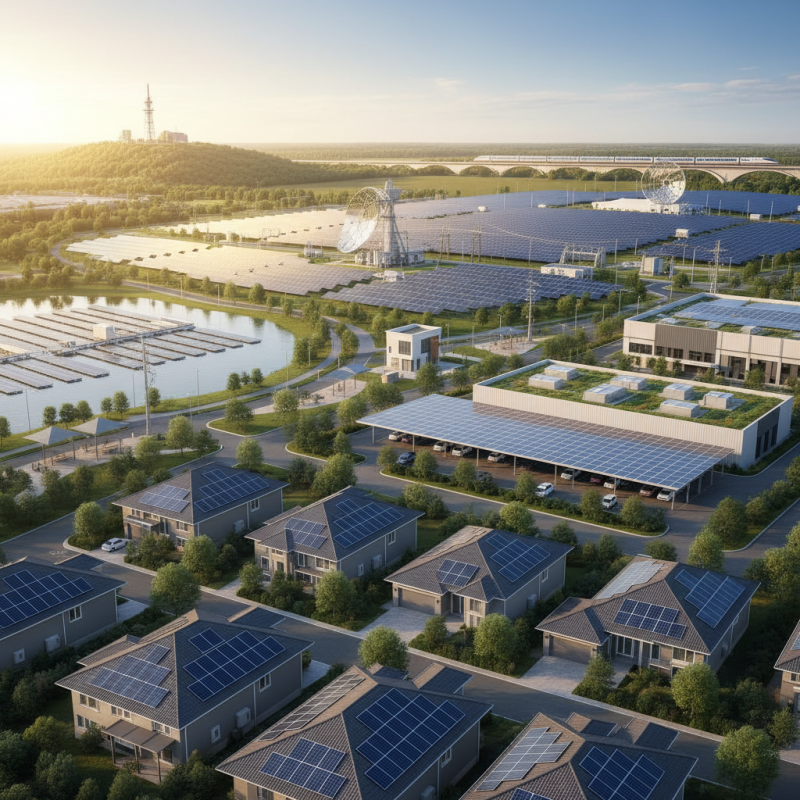
Solar energy is crucial for a sustainable future. It harnesses the sun’s power to generate electricity and heat. This process reduces reliance on fossil fuels. Every day, the sun provides enough energy to satisfy global needs for an entire year. However, despite its abundance, solar energy is underutilized in many regions.
The importance of solar energy lies not only in its sustainable nature but also in its availability. Solar panels can be installed on homes, schools, and businesses. They can significantly lower energy costs. This technology can be a game-changer in reducing greenhouse gas emissions. There are challenges, though. Initial installation costs can be high. Inconsistent sunlight in certain areas can hinder energy production.
Communities are increasingly recognizing solar's potential. Innovations in storage technology are improving efficiency. Still, more education on this energy source is needed. Many people remain unaware of its benefits. Transitioning to solar energy presents opportunities for environmental and economic improvements. However, the path to widespread adoption is not without obstacles. We need to continue exploring solutions while addressing these concerns.
Solar energy is transforming how we approach sustainable living. Harnessing sunlight through various technologies provides clean solutions for energy needs. Photovoltaic (PV) cells, for instance, convert sunlight directly into electricity. This technology is widely used in residential and commercial applications. Solar thermal systems, another key technology, capture heat energy for water heating or space heating.
Battery storage is essential for maximizing solar energy use. It allows excess energy collected during the day to be stored for nighttime use. This helps reduce reliance on conventional power sources. Solar inverters also play a vital role. They convert direct current from solar panels into alternating current, making it usable for homes and businesses.
Tip: Consider using solar panels in shaded areas to optimize energy capture. Monitor your energy production regularly to identify any issues early. It's essential to maintain equipment properly to ensure efficiency and longevity. Understanding the basic functionalities of these technologies is critical for informed decisions on implementing solar solutions.
Solar energy is rapidly transforming how we power our daily lives. From powering homes to lighting public spaces, innovative solar applications are making sustainable energy accessible. In recent years, solar panel efficiency has increased, with some panels achieving over 22% efficiency, allowing more energy generation from smaller spaces.
One noteworthy application is solar roof tiles. These tiles blend seamlessly into traditional roofing. They not only protect your home but also generate energy. A report from the International Energy Agency suggests that by 2025, solar roofing could account for a significant fraction of the residential energy market. This integration is appealing but often comes with higher initial costs, prompting potential users to weigh financial implications against long-term savings.
Another advancement is solar-powered chargers for everyday gadgets. They can recharge devices almost anywhere, promoting renewable energy use in our mobile lives. A recent survey revealed that around 70% of consumers consider eco-friendliness crucial when choosing electronic products. These chargers, while convenient, can still struggle in low sunlight conditions, limiting their reliability. Addressing these challenges remains essential for broader acceptance and effectiveness in diverse environments.
Solar energy has gained momentum as a sustainable solution for various sectors. In residential settings, solar panels have transformed home energy use. A case study in California showcases a neighborhood that significantly reduced energy bills. Families reported savings of 30% or more after installing solar systems.
In agriculture, solar applications are making waves. A farm in India utilized solar-powered irrigation systems. These systems enhanced crop production while minimizing water waste. However, the initial costs and maintenance can be challenging. Farmers often need training to optimize these systems.
Cities are adopting solar solutions as well. Smart solar streetlights in urban areas demonstrate impressive results. They save energy and improve safety. Yet, the transition to solar infrastructure requires upfront investment. Not all cities have the budget for these advancements. Balancing costs and benefits remains a crucial conversation.
The future of solar energy applications for sustainability is increasingly promising. A recent report from the International Energy Agency (IEA) predicts that solar energy will become the largest source of electricity globally by 2025, driven by its cost-effectiveness and adaptability. Many experts urge that relying solely on solar for energy can be misleading. The integration of energy storage systems is essential for addressing intermittent energy supply.
Advancements in solar technology are also noteworthy. Bifacial solar panels, which capture sunlight from both sides, can increase energy generation by up to 30%. This technology appears poised for wider adoption, especially in areas with limited space. However, there remain challenges regarding their installation and efficiency. Not all environments provide optimal conditions for performance.
Besides residential and commercial use, solar applications extend to agriculture. Agrivoltaics, which combines solar panels with crop cultivation, can achieve dual benefits. Research indicates that it can increase land productivity by 60% or more while reducing water usage. These promising developments encourage a holistic approach to utilizing solar energy, addressing food production needs alongside energy generation.
| Application | Description | Impact on Sustainability | Future Trends |
|---|---|---|---|
| Residential Solar Panels | Photovoltaic systems installed on rooftops of homes. | Reduces electricity bills and carbon footprint. | Increased adoption of solar batteries for energy storage. |
| Solar-Powered Water Heating | Systems that use solar energy to heat water for domestic use. | Lowers energy consumption from conventional water heating. | Advancements in solar thermal technology. |
| Solar Farms | Large scale solar panel installations for energy production. | Provides renewable energy to thousands of homes. | Growth in utility-scale solar projects worldwide. |
| Solar-Powered Electric Vehicles | Electric vehicles that use solar energy for charging. | Reduces reliance on fossil fuels for transportation. | Integration of solar cells in vehicle designs. |
| Solar Water Purification | Using solar energy for purifying water sources. | Improves access to clean water in developing regions. | Growing interest in off-grid solar purification systems. |
| Agricultural Solar Solutions | Solar technologies used in farming operations. | Enhances efficiency and reduces environmental impact. | Adoption of solar irrigation and powering farming equipment. |
| Solar Desalination | Utilizing solar energy to remove salt from seawater. | Addresses water scarcity in arid regions. | Innovations in solar still technology. |
| Solar-Powered Cooling Systems | Cooling solutions that operate on solar energy. | Reduces energy demand from traditional cooling systems. | Emerging hybrid solar air conditioning systems. |
| Building-Integrated Photovoltaics (BIPV) | Solar panels integrated into building materials. | Maximizes energy efficiency in infrastructure. | Growth in aesthetic solar solutions for buildings. |
| Solar-Powered Lighting | Lighting systems powered by solar energy. | Reduces reliance on grid electricity for lighting. | Innovations in solar LED technology for urban areas. |