Top Solar Energy Solutions for Global Buyers to Consider?
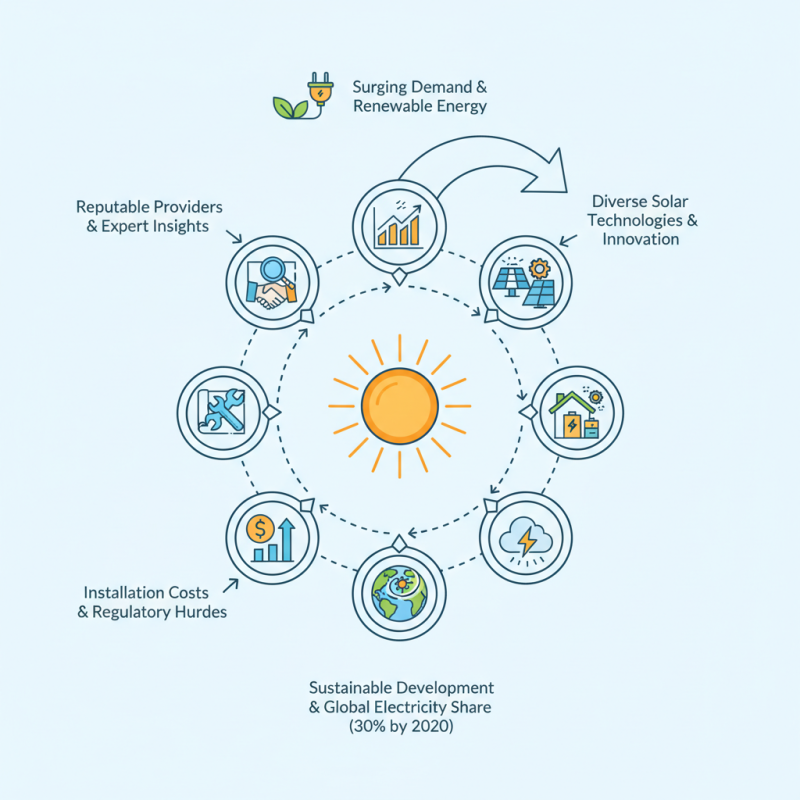
As the demand for renewable energy surges, solar energy solutions have become increasingly vital. According to a report by IHS Markit, global solar demand is projected to exceed 200 gigawatts in 2023. The industry experts emphasize the need for diversity in solar technologies to meet the varying needs of consumers and industries alike. Renowned solar energy expert Dr. Lisa Hartman noted, "Innovation in solar energy solutions is key to unlocking a sustainable future."
Solar energy solutions are not only crucial for fulfilling energy needs but also support sustainable development goals. Companies are exploring advanced photovoltaic technologies and storage solutions to maximize efficiency. Reports indicate that solar energy could supply up to 30% of the world’s electricity by 2030. However, challenges such as installation costs and regulatory hurdles persist, prompting reflection on scalability.
The expansion of solar energy infrastructure is essential, yet complex. Buyers must navigate evolving technologies and market dynamics. Engaging with reputable providers and leveraging expert insights can guide effective decision-making in this transformative industry.
Top Solar Energy Solutions for Global Buyers to Consider
As global buyers explore solar energy solutions, several key options stand out. Solar panels are a popular choice, converting sunlight into electricity. Their efficiency has improved remarkably, yet installation costs can be a hurdle. Understanding local incentives and funding options is crucial for buyers.
Solar water heaters are another effective solution. They harness the sun’s energy to heat water, which can reduce energy bills. However, their installation can be complex and may require significant upfront investment. Buyers must evaluate their space and energy needs to make informed decisions.
Community solar projects also offer innovative ways to access solar energy. They allow users to buy or lease solar power from shared installations. This option works well for those who cannot install solar panels on their properties. Yet, participation in such programs often depends on local regulations and availability. Buyers are encouraged to research and reflect on these details for optimal choices.
Top Solar Energy Solutions for Global Buyers to Consider
Overview of Solar Energy Growth: Market Trends and Projections
Solar energy is experiencing unprecedented growth globally, driven by technological advancements and increasing environmental awareness. In 2022, global solar capacity reached 1,100 gigawatts, a significant increase from previous years. Projections suggest that by 2025, solar energy could provide as much as 20% of the world's electricity. This transition highlights the urgency for buyers to consider effective solar solutions for their energy needs.
Market trends indicate a shift towards decentralized energy models. More homeowners and businesses are investing in solar panel systems. Options range from rooftop installations to large-scale solar farms. While this growth is promising, there are challenges. Initial costs can be daunting, and regional regulations may complicate installations. Buyers should conduct thorough research and assess local conditions before making investments. Utilizing tools for cost-benefit analysis can also provide clarity. The solar landscape is dynamic, and staying informed is essential for making sound decisions in this evolving market.
Types of Solar Technologies: Solar Photovoltaics vs. Solar Thermal
Solar energy is revolutionizing how we think about renewable power. Among the various technologies available,
solar photovoltaics (PV) and
solar thermal stand out. Both have unique advantages, yet they also come with challenges.
Understanding these differences is essential for global buyers.
Solar photovoltaics convert sunlight directly into electricity using semiconductor materials. This technology is versatile and can be installed on rooftops or in large solar farms.
It requires minimal maintenance, which appeals to many users. However, the initial costs can be high. Additionally,
energy production fluctuates with the weather, which can lead to inconsistencies.
On the other hand, solar thermal technology harnesses sunlight to produce heat.
It’s particularly effective for residential and commercial heating applications. Systems can be designed for water heating, space heating, or even industrial processes.
While solar thermal can be more efficient in producing heat, it typically requires more space and can involve more complex installation processes. Buyers must weigh these factors to find the best fit for their needs.
Overall, exploring both options thoroughly will help make informed choices.
Key Factors Influencing Solar Energy Adoption in Diverse Markets
The adoption of solar energy is influenced by various factors across different markets. Recent industry reports indicate that regulatory frameworks play a crucial role. Countries with supportive policies, such as feed-in tariffs and tax incentives, have seen solar capacity grow significantly. For example, markets like Germany and China benefit from government support, driving adoption rates higher.
Economic conditions also affect solar energy growth. According to the International Energy Agency (IEA), emerging economies struggle with initial investments, despite long-term savings. In countries facing financial constraints, solar solutions may seem out of reach, even when the technology is viable. This situation can lead to a slower transition towards renewable energy.
Consumer awareness and education are critical for broader adoption. Many potential buyers lack understanding of solar technology's benefits and capabilities. This knowledge gap can hinder market growth. Reports suggest that increasing public awareness through community programs and educational initiatives may help. To foster a more sustainable future, addressing these issues is essential.
Economic Benefits of Solar Energy: Cost Savings and ROI Analysis
Solar energy has emerged as a vital resource for businesses seeking economic advantages. The initial investment can be daunting. However, many businesses find that the long-term savings are significant. A typical solar installation can cut energy costs by up to 50%. Over time, this translates into a robust return on investment (ROI).
In recent analysis, the ROI for solar energy systems often exceeds 20%. Factors such as local incentives and tax rebates often enhance these financial benefits. While maintenance costs are minimal, they still require regular monitoring. It’s essential for businesses to review installations periodically. Small issues can lead to larger savings losses.
The economic landscape is constantly evolving. Solar energy solutions can adapt to various market conditions. However, each business must evaluate its unique circumstances before committing. This requires understanding the local regulations and energy costs. Any decision should be data-driven. Assessing energy consumption patterns is also essential for maximizing savings.
Conclusion
As the demand for renewable energy continues to surge, global buyers are increasingly considering various solar energy solutions. The growth of solar energy is fueled by several market trends and projections that highlight the shift towards sustainable practices. Key technologies include solar photovoltaics and solar thermal systems, each offering distinct advantages depending on geographical and economic contexts.
The adoption of solar energy is influenced by multiple factors, including government policies, market readiness, and technological advancements. Economic benefits, such as cost savings and potential return on investment, make solar energy an attractive option for both residential and commercial sectors. Looking ahead, future innovations promise to enhance the efficiency and accessibility of solar energy solutions, driven by emerging technologies and market trends that align with global sustainability goals.