Cleveland QLD 4163 

Top 10 Solar Installation Trends at China Import and Export Fair?
The solar installation industry is witnessing transformative trends, especially during significant events like the China Import and Export Fair. With the increasing focus on renewable energy, solar installations have become essential. According to a recent report by the Solar Energy Industries Association, solar capacity in China is projected to double by 2025, with a compound annual growth rate of 20%. Innovations will be showcased at the upcoming 2026 Fair, particularly in advanced manufacturing and new materials.
As Dr. Liu Wei, a leading solar energy expert, noted, "The future of solar installation lies in smarter technologies and efficient solutions." This encapsulates the evolving landscape where AI and automation enhance installation processes and customer experiences. However, challenges exist. Despite advancements, quality assurance remains crucial. The industry must address issues related to solar panel waste and lifecycle sustainability. Continued innovation is needed to overcome these hurdles.
The combination of technology and sustainability will define the future of solar installations. Trade shows like the China Import and Export Fair can galvanize these discussions, allowing stakeholders to share insights and forge collaborative paths forward. Engaging with industry experts helps in identifying gaps and optimizing implementation strategies, ensuring that the solar installation sector grows responsibly.
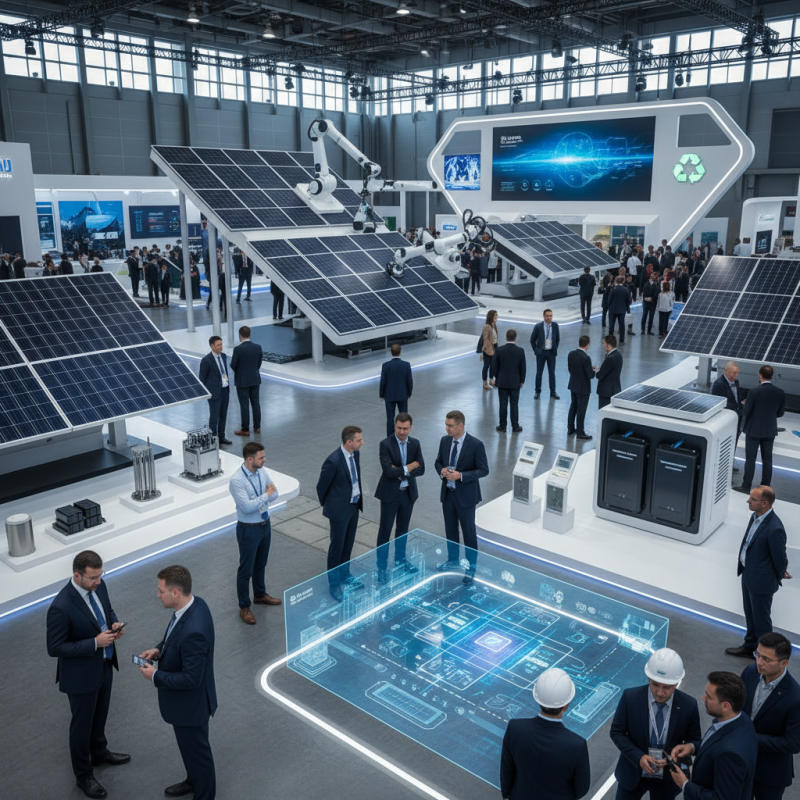
Emerging Solar Technologies Showcased at China Import and Export Fair
The China Import and Export Fair has become a major platform for showcasing innovative solar technologies. Among the emerging trends, flexible solar panels grab attention for their lightweight design. These panels can be easily integrated into various surfaces, from rooftops to vehicles. Their adaptable nature makes them appealing for urban environments.
Another trend is the development of energy storage systems. Solar energy can be intermittent, so effective storage solutions are crucial. New battery technologies are making it easier to store excess energy for later use. This ensures a consistent power supply, even during cloudy days or at night. The need for efficient energy management is becoming increasingly evident.
However, challenges remain in the solar industry. Many exhibitors highlight issues like installation costs and grid integration. While technology improves, accessibility can still be a barrier for some. Keeping up with rapid advancements is vital for those in the field. The future of solar lies in collaboration and ongoing learning to tackle these hurdles.
Top 10 Solar Installation Trends at China Import and Export Fair
| Trend | Description | Impact on Industry |
|---|---|---|
| Bifacial Solar Panels | Utilization of both sides of the panel to capture sunlight. | Increased energy efficiency and power output. |
| Smart Inverters | Inverters with advanced monitoring and control features. | Enhanced system reliability and performance analysis. |
| Energy Storage Solutions | Integration of battery technologies to store solar energy. | Greater energy independence and efficiency. |
| Building-Integrated Photovoltaics (BIPV) | Incorporating solar power generation into building materials. | Aesthetic integration and maximizing usable space. |
| Floating Solar Farms | Solar installations on bodies of water. | Reducing land use and increasing efficiency due to cooling effects. |
| Solar Tracking Systems | Adjustable mounts that follow the sun’s path. | Enhanced energy capture and system performance. |
| Advanced Photovoltaic Materials | Development of new materials such as perovskite. | Potential for higher efficiency and lower production costs. |
| Solar-as-a-Service | Subscription-based solar energy models. | Increased accessibility and affordability for consumers. |
| Recycling Solar Panels | Implementing systems for reusing materials from old panels. | Promotes sustainability and reduces waste in the industry. |
| Decentralized Energy Systems | Local power generation reducing reliance on central grids. | Increases resilience and supports energy security. |
Related Posts
-
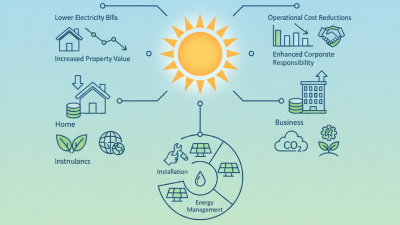
What is Solar Service and How It Can Benefit Your Home and Business
-
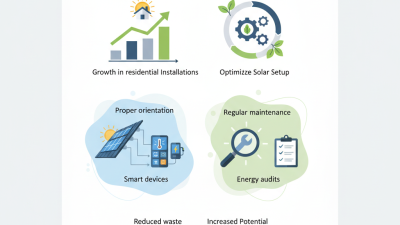
How to Maximize My Solar Energy Usage at Home?
-
Top 10 Innovations Transforming the Solar Industry for a Sustainable Future
-
How to Choose the Best Home Solar Power System for Your Needs?
-
Why Choose a Home Solar Power System for Your Energy Needs?
-
How to Efficiently Use Home Solar Power for Your Energy Needs?