Top 10 Solar Power Solutions for Homeowners in 2023
As homeowners increasingly seek sustainable energy solutions, the demand for solar power solutions has surged dramatically in recent years. According to a report by the International Renewable Energy Agency (IRENA), global solar energy capacity reached over 800 GW in 2022, highlighting the potential for sky-high returns on investment for residential installations. With advancements in technology and decreasing costs, solar power systems are now more accessible than ever for homeowners looking to reduce their carbon footprint while simultaneously lowering energy bills.
In 2023, the landscape of solar power solutions continues to evolve, offering a multitude of options tailored to meet diverse energy needs. The U.S. Department of Energy estimates that solar energy could supply up to 40% of the nation’s electricity by 2035, making it imperative for homeowners to explore viable options. This article aims to guide readers through the top 10 solar power solutions available, emphasizing their efficiency, affordability, and environmental benefits. Adopting these innovative solutions not only contributes to a cleaner planet but also empowers homeowners to take control of their energy consumption like never before.
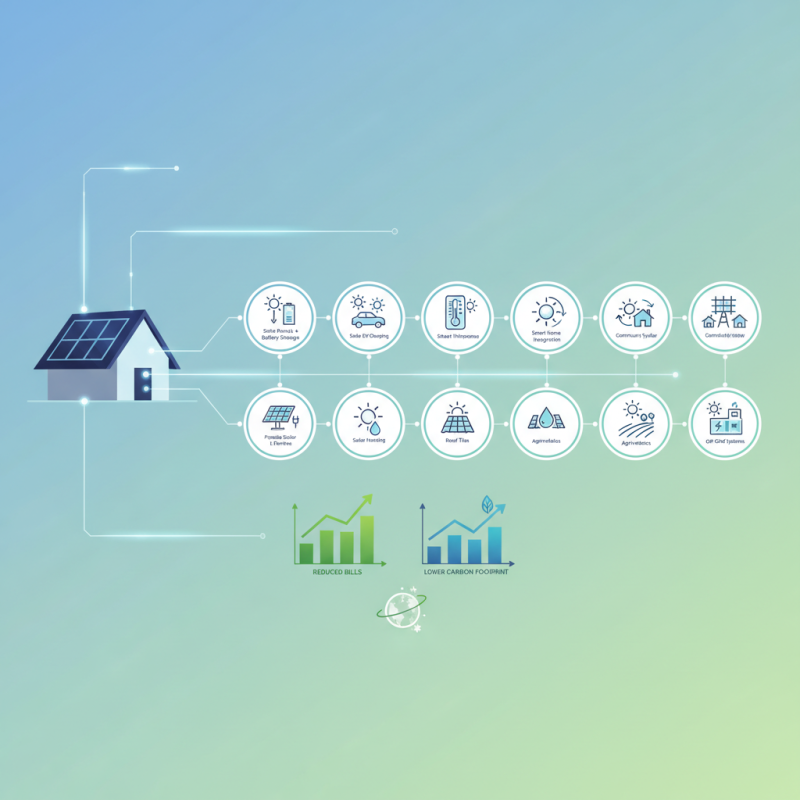
Overview of Solar Power Solutions for Homeowners in 2023
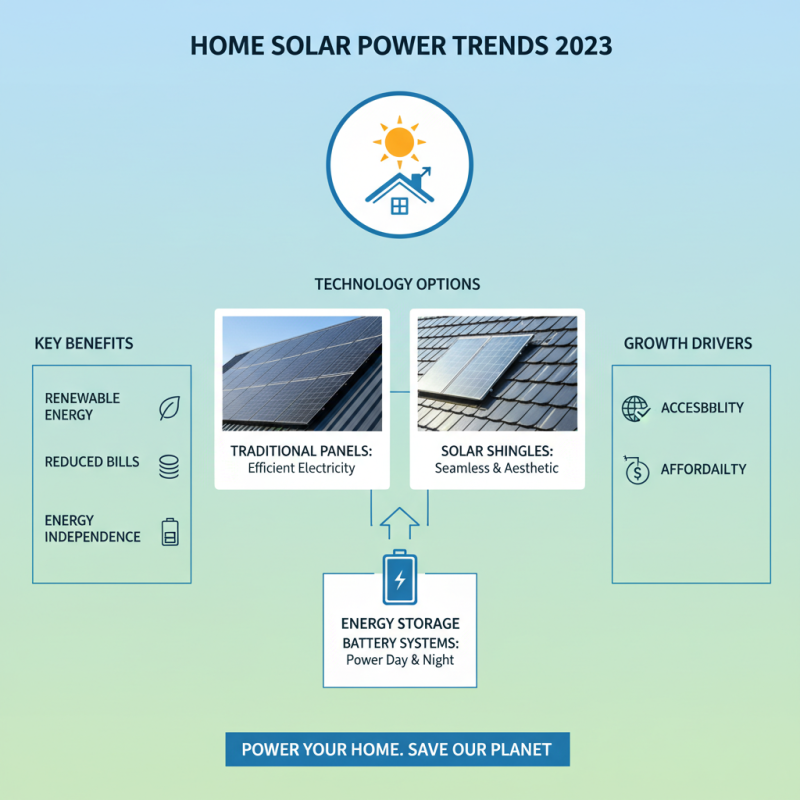
In 2023, homeowners are increasingly turning to solar power solutions as an effective way to harness renewable energy and reduce their utility bills. The advancements in solar technology make it more accessible and affordable for residential use. Various options are available, from traditional solar panels that convert sunlight into electricity to solar shingles that blend seamlessly with the roofing materials. The integration of energy storage systems has also become a significant trend, allowing homeowners to store excess energy produced during the day for use during cloudy periods or at night.
Moreover, innovative financing options, such as power purchase agreements and solar leasing, are making it easier for homeowners to adopt solar energy without the burden of large upfront costs. Many local and federal incentives are encouraging the transition to solar, which can substantially lower installation costs. Additionally, smart home technology, coupled with solar power, allows homeowners to optimize energy consumption and increase efficiency. As more individuals recognize the long-term benefits of solar energy, the adoption of these solutions continues to rise, transforming how homeowners think about energy use in their everyday lives.
Key Factors to Consider When Choosing Solar Power Systems
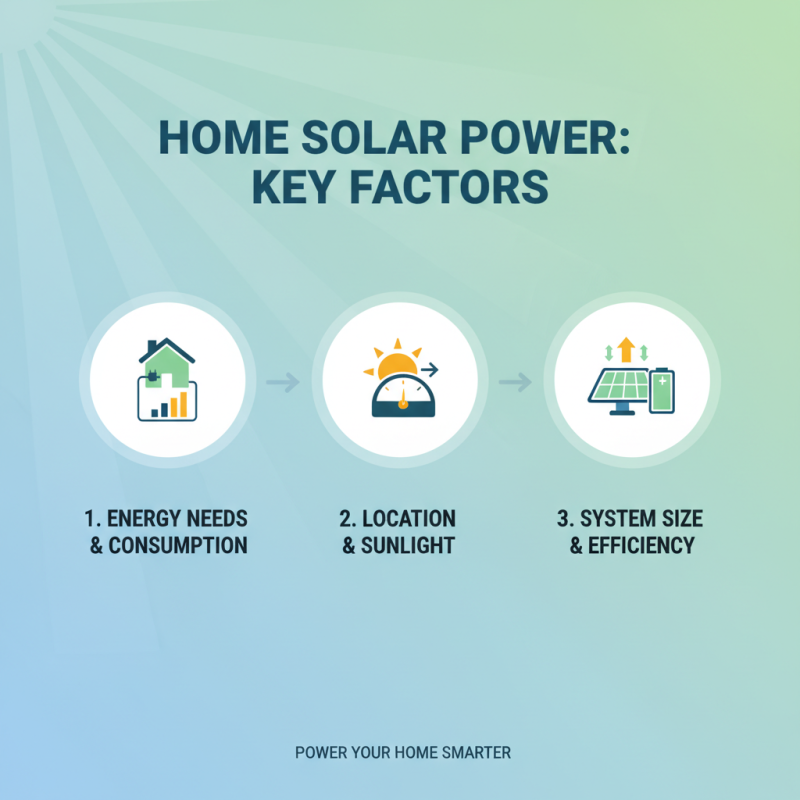
When considering solar power systems for your home, several key factors can significantly influence your decision-making process. First and foremost, it's essential to evaluate your energy needs and consumption patterns. Understanding how much energy your household uses will help you determine the size and capacity of the solar system required to meet your demands effectively. Additionally, considering your location and the amount of sunlight your property receives can impact the efficiency of solar panels, thus guiding you towards the best installation options.
Another critical aspect is the type of solar technology available. Homeowners can choose between photovoltaic (PV) systems, which convert sunlight directly into electricity, and solar thermal systems, which use sunlight to heat water. Each type has its specific advantages and disadvantages, depending on your energy goals and budget. Moreover, it’s vital to research the installation process and maintenance requirements associated with different systems, as these can affect both long-term performance and your overall return on investment. Ensuring that your system is compatible with existing grid infrastructure and understanding any available incentives or rebates can further optimize your solar power solution.
Top 10 Solar Panel Brands for Residential Use in 2023
When considering solar panel options for residential use in 2023, homeowners are faced with a growing market of innovative technologies and brands. Among the leading characteristics to evaluate are efficiency, durability, and warranties. A solar panel that offers high efficiency means that more sunlight is converted into usable electricity, which can significantly reduce energy costs over time. Durability, on the other hand, ensures that the panels can withstand various weather conditions, thereby providing reliable performance for many years.
Additionally, homeowners should pay close attention to the warranties offered by solar panel manufacturers. Comprehensive warranties that cover both performance and product defects are crucial for long-term satisfaction. Some brands might also include customer service support as part of their package, which can be essential during installation and maintenance phases. Overall, selecting the right solar panel brand involves balancing the various features and benefits to suit personal energy needs and preferences, ultimately contributing to a sustainable and cost-effective energy solution for households.
Innovative Solar Technologies Revolutionizing Home Energy
In 2023, homeowners are increasingly turning to innovative solar technologies to harness renewable energy efficiently. Advances in solar panel design, such as
bifacial panels which capture sunlight from both sides, have resulted in a significant increase in energy output.
According to the Solar Energy Industries Association (SEIA), the efficiency of solar panels has improved by more than 20% over the last decade, making solar installations a more viable option for homeowners looking to reduce their energy bills and carbon footprint.
Another exciting development in home solar solutions is the integration of smart technology. Smart solar inverters and energy management systems allow homeowners to monitor their energy consumption in real-time and optimize the use of solar power generated on-site. This innovation not only maximizes the efficiency of energy use but also contributes to the stabilization of the grid, particularly during peak demand hours. A report by the International Energy Agency (IEA) forecasts that smart solar technology will play a pivotal role in achieving net-zero emissions by 2050.
Tips: When considering solar solutions, prioritize systems with innovative features that enhance energy efficiency. Additionally,
taking advantage of local incentives and tax credits can further reduce the overall installation cost, allowing homeowners to invest in sustainable energy solutions without breaking the bank.
Embracing these innovative solar technologies not only empowers homeowners to reduce energy costs but also supports a sustainable future.
Financial Incentives and Savings on Solar Energy for Homeowners
As homeowners consider the switch to solar energy in 2023, one of the primary driving factors is the array of financial incentives available. According to the Solar Energy Industries Association (SEIA), residential solar installations have seen a remarkable increase, reporting a year-over-year growth of 18% in 2022. This surge can largely be attributed to federal tax credits, such as the Investment Tax Credit (ITC), which allows homeowners to deduct 30% of the cost of solar panel installations from their federal taxes. This significant incentive can lead to thousands of dollars in savings, making solar energy more accessible and appealing than ever.
Beyond federal incentives, many states and local governments are offering additional rebates and tax credits. For instance, the Database of State Incentives for Renewables & Efficiency (DSIRE) notes that numerous states have implemented programs that can further reduce upfront costs by providing cash incentives or performance-based payments. Homeowners can also benefit from net metering policies, which allow them to receive credits for surplus energy fed back into the grid, leading to reduced utility bills. With these financial benefits combined, studies show that homeowners can enjoy an average return on investment (ROI) of around 20% within the first five years of installation, making solar energy not only an environmentally friendly choice but also a financially savvy one.
Top 10 Solar Power Solutions for Homeowners in 2023 - Financial Incentives and Savings on Solar Energy for Homeowners
| Rank |
Solar Solution |
Initial Cost ($) |
Average Savings Over 25 Years ($) |
Incentives Available ($) |
| 1 |
Traditional Solar Panels |
15,000 |
30,000 |
4,500 |
| 2 |
Solar Shingles |
22,000 |
40,000 |
6,000 |
| 3 |
Battery Storage Systems |
10,000 |
15,000 |
2,500 |
| 4 |
Solar Hot Water Systems |
8,000 |
20,000 |
3,000 |
| 5 |
Community Solar Programs |
Varies |
12,000 |
1,500 |
| 6 |
Solar Pool Heating |
5,000 |
10,000 |
2,000 |
| 7 |
Portable Solar Generators |
1,500 |
2,500 |
500 |
| 8 |
Solar Ventilation Fans |
1,200 |
3,000 |
400 |
| 9 |
Solar Tracking Systems |
18,000 |
35,000 |
5,500 |
| 10 |
Off-Grid Solar Systems |
25,000 |
50,000 |
7,000 |