Top Solar Solutions for Sustainable Energy Needs in 2026?
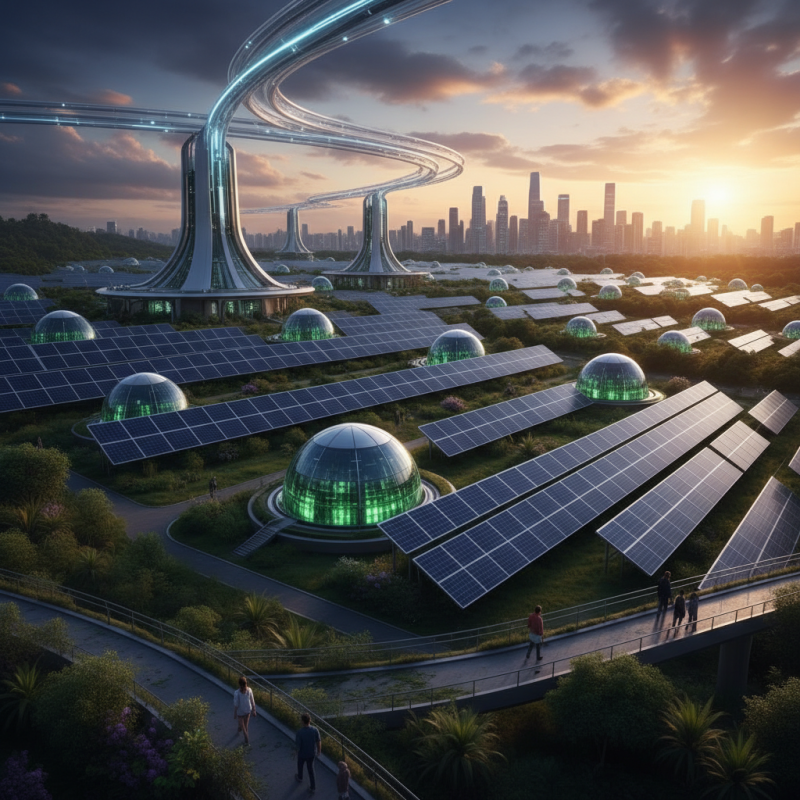
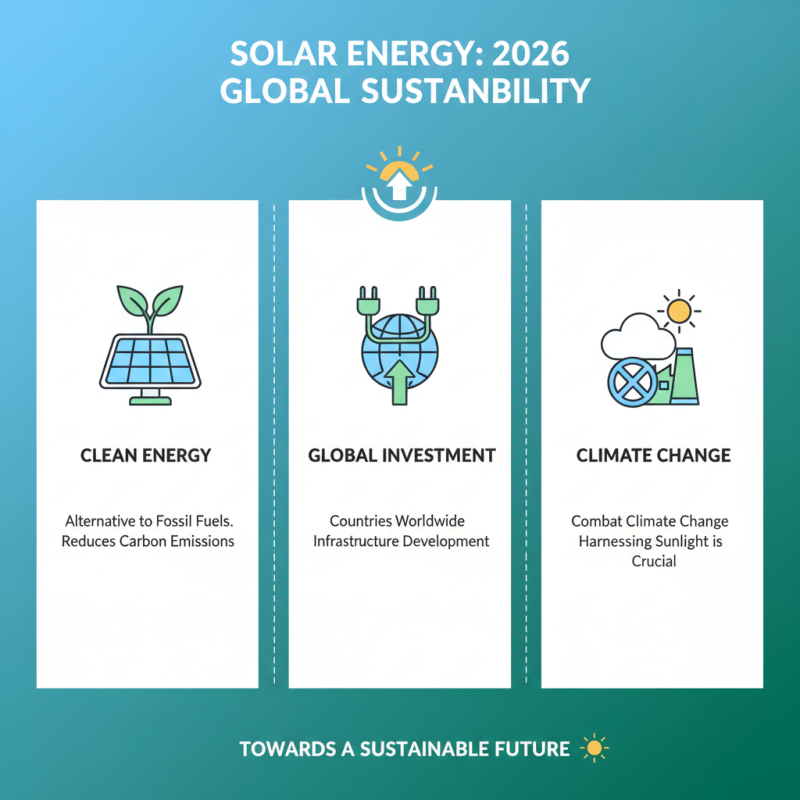
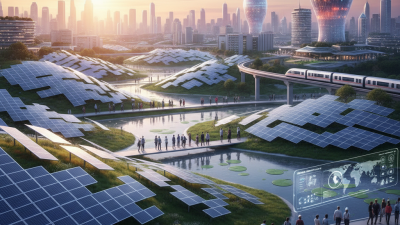
As the world shifts towards cleaner energy, solar solutions emerge as a pivotal player. In 2026, these innovative technologies promise to address our growing energy needs sustainably. Solar panels, solar batteries, and advanced photovoltaic systems are gaining traction.
Many companies are investing heavily in solar research. They aim to improve efficiency while reducing costs. However, challenges remain. Integration into existing infrastructures can be tricky. Additionally, storage solutions must enhance to support solar energy during non-sunny periods.
The landscape of solar solutions is ever-evolving. New designs often draw interest, sparking hope for wider adoption. Yet, the path to a solar-centric future demands critical reflection. Are these solutions viable for every region? Only time will reveal their full potential.
Emerging Solar Technologies Shaping the Future of Energy in 2026
In 2026, solar energy will undergo significant transformations.
Emerging technologies will focus on efficiency and accessibility.
Recent reports indicate that solar panel efficiency could reach 30% by 2026, a notable jump from today’s average of 20%.
Innovations in materials like perovskite offer exciting possibilities.
Bifacial solar panels are gaining traction. These panels can capture sunlight from both sides.
Studies suggest they can yield up to 30% more energy than traditional models.
However, the adoption of such technologies isn't without challenges.
Manufacturing costs and durability are concerns in the current landscape, sparking debates in the industry.
Energy storage solutions will also play a crucial role.
Advances in battery technologies promise to enhance solar’s reliability.
Projections show that batteries could store solar energy at a much lower cost, potentially under $100 per kilowatt-hour.
Still, experts urge caution.
Infrastructure and technology must evolve in tandem to ensure a sustainable energy future.
Awareness and adaptation will be essential as we approach these new horizons.
Comparative Analysis of Different Solar Panel Types for 2026
As we approach 2026, the demand for sustainable energy solutions is growing. Solar panels are at the forefront of this shift. However, the variety of solar panel types can be overwhelming. Understanding their differences is crucial for making informed choices.
Monocrystalline panels are known for their efficiency and long lifespan. They tend to perform well in limited space. However, they are often more expensive than other options. This higher cost may not suit every budget.
On the other hand, polycrystalline panels are more affordable and still provide decent efficiency. They require more space, though, which could be a challenge for smaller installations.
Thin-film panels offer flexibility and lightweight options. While they are less efficient, they can be beneficial in specific contexts. However, they may not be suitable for everyone. Consumers need to weigh performance against costs and installation space. These factors can lead to some frustrating decisions.
Each type of solar panel has its pros and cons. The best choice often varies based on individual needs and circumstances. Reflecting on these aspects can help optimize energy solutions for a sustainable future.
Government Policies and Incentives Driving Solar Adoption in 2026
Government policies play a vital role in advancing solar energy adoption. In 2026, numerous governments are promoting renewable energies through tax incentives. These benefits encourage homeowners and businesses to switch to solar systems. With financial support, the upfront costs become manageable.
Tips: Consider exploring local solar grants. Research programs that may not be widely advertised. These can drastically reduce your expenses.
In some regions, net metering policies are evolving. These allow users to sell excess energy back to the grid. This could be a game-changer for residents looking to earn while saving. Yet, challenges remain in regions lacking such support.
Tips: Always investigate your local policy frameworks. Changes can happen frequently, and staying informed will help. Keep an eye on community initiatives too; collaboration often brings new opportunities.
Challenges Facing Solar Energy Implementation and Solutions Ahead
The rise of solar energy is met with various challenges. In 2026, projections indicate a potential global solar capacity of over 3,000 gigawatts. However, issues like high initial costs and inefficient resource allocation hinder progress. According to the International Energy Agency, solar energy's share in the global power mix is expected to grow, but current infrastructure struggles to keep pace.
One pressing concern is land use. Large-scale solar farms can disrupt local ecosystems. This calls for innovative solutions, such as dual-use strategies that combine agriculture and solar installation. Research by the Solar Energy Industries Association suggests that integrating these practices could lead to more sustainable land use.
Tips: Consider small-scale solar solutions if large installations seem impractical. This can ensure local communities benefit from solar energy without compromising land. Engaging local stakeholders early can create supportive ecosystems for solar deployment. Balancing growth with environmental impacts is essential for a sustainable future.
Top Solar Solutions for Sustainable Energy Needs in 2026
| Aspect |
Current State |
Challenges |
Proposed Solutions |
| Installation Costs |
Moderately High |
High upfront investment |
Innovative financing options |
| Efficiency Improvements |
15-20% efficiency |
Limited efficiency gains |
Research into advanced materials |
| Storage Solutions |
Developing |
Insufficient storage for peak demand |
Investing in battery technologies |
| Policy Support |
Varying by region |
Regulatory hurdles |
Incentives and subsidies |
| Grid Integration |
Challenging |
Aging infrastructure |
Upgrading grid infrastructure |