10 Best Solar Systems for Home Use
Choosing among the 10 best solar systems for home use requires more than comparing panel prices. A reliable system must match your roof, electricity demand, climate, and budget. Roof direction matters. So does afternoon shade.
Fatih Birol, Executive Director of the International Energy Agency, has described solar power as “the new king of the world’s electricity markets.” His observation reflects solar’s rapid growth, but household decisions still require careful judgment. A high-efficiency panel may perform poorly if nearby trees block sunlight. A large battery may sound attractive, yet it can increase costs without improving daily savings.
This guide evaluates solar systems through practical, evidence-based criteria. These include panel efficiency, inverter quality, battery compatibility, monitoring tools, warranty coverage, and installer support. It also considers how systems perform during cloudy weather and seasonal demand changes. Small details matter, such as accessible wiring and clear mobile-app readings.
No single system suits every home. That is the uncomfortable part. Product rankings can simplify complex choices, and published performance figures often come from ideal testing conditions. Real roofs are rarely ideal. They may include vents, uneven surfaces, or limited installation space.
The strongest options balance dependable output, transparent pricing, safe installation, and long-term service. Readers should verify current specifications with manufacturers and qualified local professionals. This article offers a practical starting point, not a promise of identical results for every household.
Understanding Home Solar System Types and Their Core Components
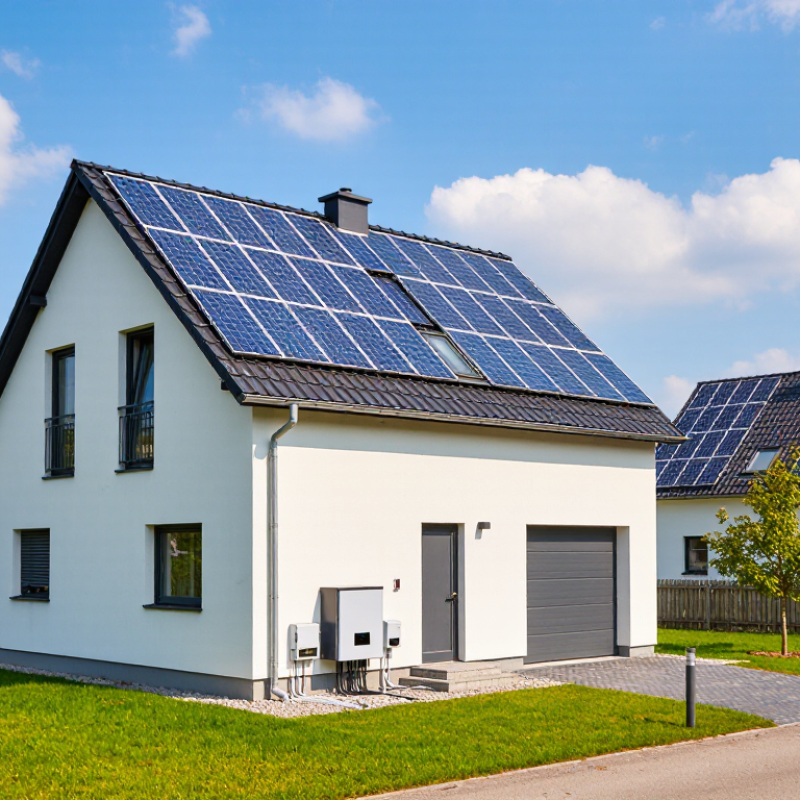
Home solar systems differ mainly in how they use, store, and share electricity. A grid-tied system sends extra power to the utility network. It usually costs less because it needs no battery. However, it may stop during a grid outage for safety reasons. An off-grid system works independently and needs batteries, careful load planning, and often a backup generator. A hybrid system combines grid access with battery storage. It can keep selected loads running during short outages.
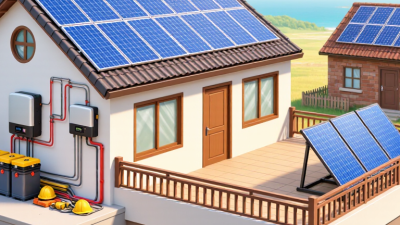
The core begins with photovoltaic panels on a sound roof or ground frame. Panels produce direct current electricity. An inverter changes it into alternating current for household appliances. Battery storage keeps unused energy for evening lighting, refrigeration, or medical equipment. A charge controller protects batteries in some system designs. Mounting rails, cables, fuses, disconnects, and monitoring hardware complete the system. Small details matter. A shaded panel can reduce the output of an entire string.
A practical design starts with local sunlight, roof direction, seasonal demand, and household habits. Record appliance use for several days. A sunny roof is not automatically suitable if its structure needs repair. Professional installers should check voltage limits, fire access, grounding, and local electrical requirements. System estimates can still be imperfect. Weather changes, battery aging, dust, and future electricity use may lower actual performance. Leave room for inspection and maintenance, not just maximum panel coverage.
10 Best Solar Systems for Home Use: Estimated Annual Energy Yield by System Size
This chart compares common residential solar PV system sizes using a reference yield of 1,400 kWh per installed kW per year. Actual production varies with sunlight, roof orientation, shading, temperature, and system losses. Grid-tied, hybrid, and off-grid systems use similar PV modules but differ mainly in battery storage and backup equipment.
Comparing the 10 Best Solar Systems for Home Use
10 Best Solar Systems for Home Use
Comparing the 10 Best Solar Systems for Home Use
Comparing home solar systems requires more than checking panel output. Each design suits a different roof, budget, and electricity pattern. A grid-tied system usually costs less and works well where utility power remains reliable. A hybrid system adds batteries for evening use and short outages. Off-grid systems offer independence, but they need larger batteries and careful energy planning.
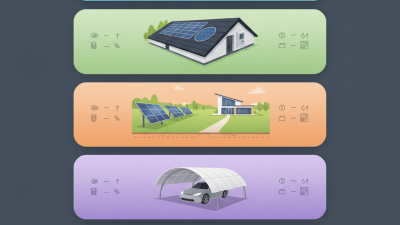
String inverter systems are simple and often easier to service. Microinverter systems perform better when roof sections face different directions or receive partial shade. DC optimizer systems can improve panel-level control, although they add equipment. AC-coupled storage can be added later, while DC-coupled storage may reduce conversion losses. Ground-mounted arrays suit homes with open land. Solar carports use parking space and can provide shade.
My first assessment would be the roof, not the equipment. I would check shading at 9 a.m., noon, and late afternoon. A professional should review roof age, wiring, local permits, fire access, and battery placement. Ask for production estimates based on regional sunlight, not perfect weather. Warranties matter, but installation quality often matters more. One overlooked detail is winter access; snow can reduce output for weeks. I also distrust unusually high savings claims. Real household use changes, and my own estimates have been wrong when heating demand increased. A system should leave room for that uncertainty.
10 Best Solar Systems for Home Use - Comparing the 10 Best Solar Systems for Home Use
A practical comparison of residential solar configurations by capacity, energy production, storage, space, and estimated installed cost.
Estimated figures are based on typical residential installations in areas receiving approximately 4–5 peak sun hours per day. Annual output varies with location, orientation, shading, weather, and system losses.
| System |
Best Use Case |
Solar Capacity |
Estimated Annual Output |
Battery Storage |
Approx. Roof Area |
Typical Module Efficiency |
Estimated Installed Cost* |
Backup Capability |
| 1. Compact Grid-Tied System |
Small apartments and low-energy homes |
3 kW |
3,600–4,500 kWh |
None |
160–220 sq. ft. |
19–22% |
$6,000–$10,000 |
No; shuts down during grid outages |
| 2. Standard Grid-Tied System |
Average two- to three-bedroom homes |
5 kW |
6,000–7,500 kWh |
None |
270–360 sq. ft. |
19–22% |
$9,000–$15,000 |
No; shuts down during grid outages |
| 3. High-Output Grid-Tied System |
Homes with high daytime electricity use |
7 kW |
8,400–10,500 kWh |
None |
380–500 sq. ft. |
20–23% |
$12,000–$20,000 |
No; shuts down during grid outages |
| 4. Hybrid Solar-Battery System |
Homes seeking evening energy and outage support |
5 kW |
5,700–7,200 kWh |
10 kWh nominal |
270–360 sq. ft. |
19–22% |
$18,000–$30,000 |
Essential circuits for roughly 8–16 hours |
| 5. High-Storage Hybrid System |
Frequent outages and high evening consumption |
8 kW |
9,600–12,000 kWh |
20 kWh nominal |
430–570 sq. ft. |
20–23% |
$30,000–$48,000 |
Most household circuits for about 12–24 hours |
| 6. Premium-Efficiency Roof System |
Small roofs with limited usable space |
6 kW |
7,200–9,000 kWh |
Optional, typically 10 kWh |
300–400 sq. ft. |
21–23% |
$13,000–$22,000 without battery |
Depends on battery configuration |
| 7. Ground-Mounted Residential System |
Properties with open, unshaded land |
10 kW |
12,000–15,000 kWh |
Optional, typically 10–20 kWh |
540–720 sq. ft. of panel area |
19–22% |
$22,000–$38,000 |
Depends on battery configuration |
| 8. Solar System with Electric-Vehicle Charging |
Homes charging one electric vehicle regularly |
8 kW |
9,600–12,000 kWh |
Optional, typically 10 kWh |
430–570 sq. ft. |
19–22% |
$17,000–$30,000 without battery |
Depends on battery and charger controls |
| 9. Solar System with Heat-Pump Support |
All-electric homes using heating and cooling equipment |
9 kW |
10,800–13,500 kWh |
Optional, typically 15 kWh |
490–640 sq. ft. |
19–22% |
$20,000–$35,000 without battery |
Depends on battery configuration |
| 10. Maximum-Offset Residential System |
Large homes aiming to cover most annual electricity use |
12 kW |
14,400–18,000 kWh |
20–30 kWh nominal |
650–860 sq. ft. |
20–23% |
$38,000–$60,000 |
Most household circuits for about 12–30 hours |
* Cost note: Installed-cost ranges are broad planning estimates in U.S. dollars before local incentives, tax credits, financing charges, roof repairs, permitting variations, and utility-specific requirements. Battery capacity is shown as nominal capacity; usable capacity is typically lower because batteries reserve a portion of their capacity to protect battery life.