Top Tips for Successful Home Solar Installation Guide?
Installing solar panels at home can seem daunting. However, with the right guidance, it becomes manageable. Home solar installation is a smart way to reduce energy bills and promote sustainability. Every step counts, from choosing the right system to understanding installation logistics.
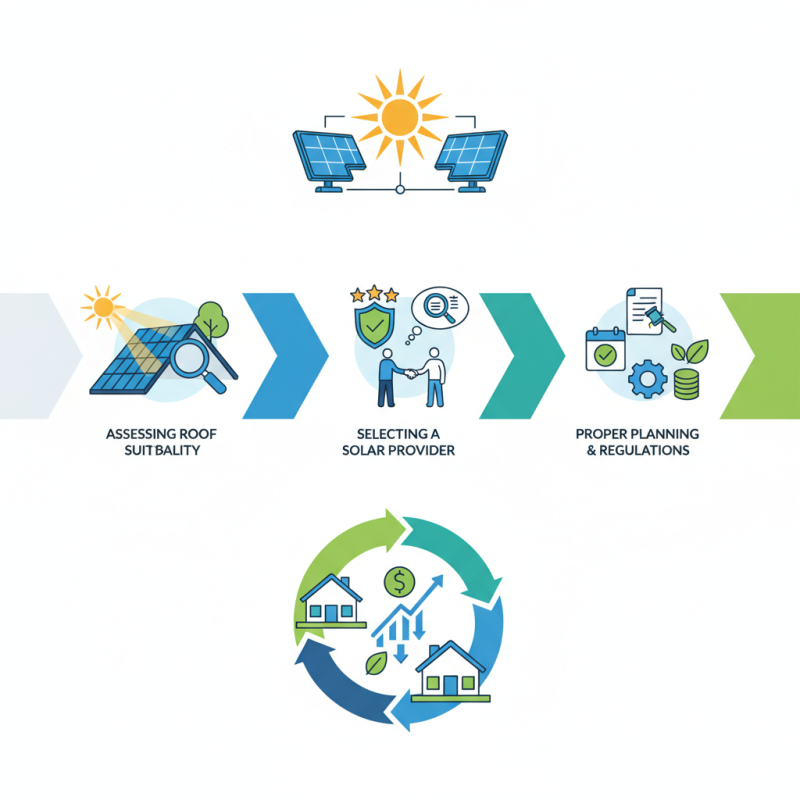
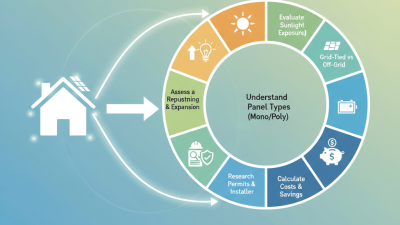
One common challenge is assessing your roof's suitability. It's vital to analyze sun exposure and shading. Not all roofs are created equal. Additionally, selecting the right solar provider can feel overwhelming. Look for experience and customer reviews. Conduct thorough research to avoid common pitfalls in your decision.
Proper planning is crucial. Understand local regulations and incentives. These factors can significantly impact your project's success. While the journey may feel complex, each phase of home solar installation offers valuable learning moments. Embrace the process and refine your approach for a more effective outcome.
Choosing the Right Solar Panels for Your Home Installation
Choosing solar panels for your home is a critical step. It greatly impacts energy efficiency. According to recent industry reports, solar panel efficiency can range from 15% to over 22%. This makes understanding your options essential.
When selecting panels, consider the space on your roof. Not every system fits every home. If your roof is shaded or small, high-efficiency panels may be better. They generate more energy per square foot. An average U.S. household needs around 5 to 10 kW of solar power. This varies based on location and energy usage.
Cost is another factor. High-efficiency panels tend to have a higher price tag. Yet, they may save more in the long run. It requires careful budgeting and planning. Homeowners often overlook warranties and service plans. Mistakes here can lead to regrets down the road. Some panels come with only a 10-year warranty, while others offer up to 25 years. Evaluate all aspects to choose wisely.
Understanding Your Home's Energy Needs and Savings Potential
Understanding your home’s energy needs is crucial for any solar installation. Start by reviewing your past utility bills. Look for patterns in your energy usage. This helps you identify peak months and times when electricity usage is highest. Knowing this can inform how many solar panels you'll require.
Consider your roof's orientation and shading. South-facing roofs typically receive more sunlight. But even trees or structures nearby can affect energy generation. It’s essential to evaluate these factors. Also, think about the appliances you use. High-consuming devices, like air conditioners, can impact your overall energy savings.
Savings potential varies greatly. Not every home will lead to significant reductions in bills. Your location plays a role in how much sunlight you receive. Analyzing local solar incentives and programs can also be helpful. Some homeowners find the return on investment disappointing if they don’t do their homework. Make sure to weigh the upfront costs against potential long-term savings.
Top Tips for Successful Home Solar Installation Guide
| Dimension |
Description |
Potential Savings (Annual) |
Recommended System Size (kW) |
| Average Household Consumption |
Estimated energy usage of an average home |
$1,200 |
6.0 |
| System Installation Cost |
Overall cost to install a solar system |
N/A |
N/A |
| Average Incentives |
Federal and state rebates available |
$3,000 |
N/A |
| Payback Period |
Time taken to recoup installation costs |
6 years |
N/A |
| Environmental Impact |
Reduction in carbon footprint |
N/A |
N/A |
Selecting a Qualified Solar Installer: What to Look For
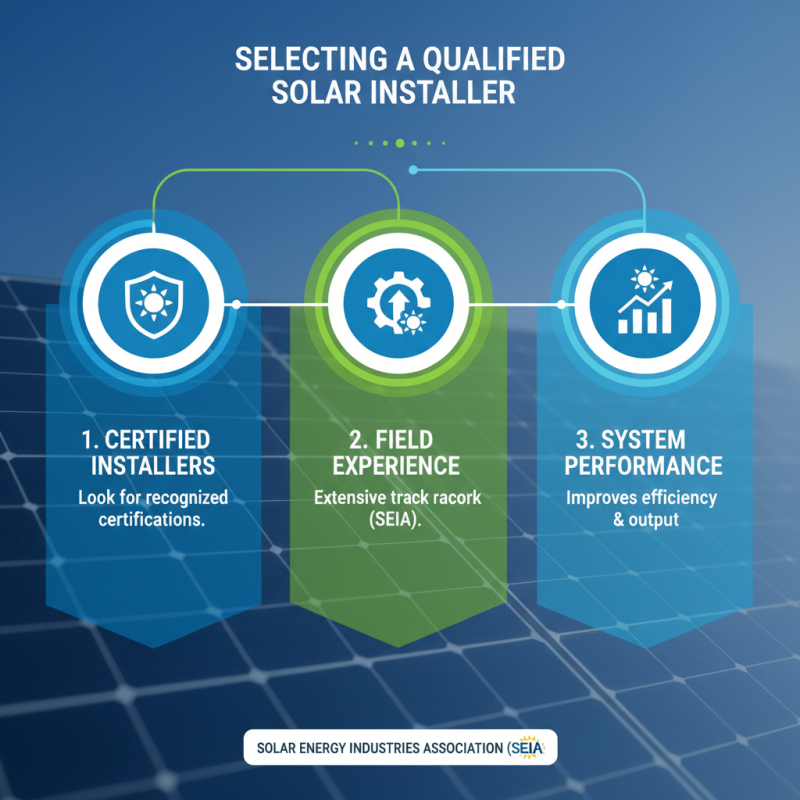
When selecting a qualified solar installer, there are several key factors to consider. Look for certified installers who have extensive experience in the field. According to the Solar Energy Industries Association (SEIA), experienced installers significantly reduce the risk of installation issues. The right installer can improve system performance and efficiency.
Check references and read reviews. This can provide insight into the installer's reliability and customer service. Some installers may show impressive credentials but fall short on communication. Ensure the company has a solid track record for both installations and customer satisfaction. In fact, a recent report indicated that 20% of homeowners experienced installation delays due to miscommunication with their installer.
Additionally, verify warranties and the materials used. Financial stability is key for installers. A study by the National Renewable Energy Laboratory showed that companies without strong warranties could leave customers vulnerable to unexpected costs. This could lead to frustration in the long run. Remember, selecting the right installer is crucial to maximizing your home's solar potential.
Navigating Local Regulations and Incentives for Solar Installation
When considering solar installation, understanding local regulations is crucial. Each area has unique rules that govern how solar energy systems are set up. It’s essential to research these laws to avoid future complications. Some regions require permits, while others have specific installation standards. Make sure to check your local government’s website for the most accurate information.
Incentives play a significant role in making solar energy more accessible. Many states offer tax credits or rebates to encourage solar adoption. These financial benefits can significantly reduce installation costs. However, these incentives can change frequently. It’s important to stay updated on any changes. Failing to do so might mean missing out on crucial savings.
Navigating the application process for these incentives can also be challenging. Paperwork can be confusing or overwhelming. A small mistake might delay approval, extending your waiting time. Engaging with local solar community forums could help illuminate the path. There, you can discover shared experiences and advice from others who have successfully navigated these waters.
Tips for Maintaining and Optimizing Your Home Solar System
Maintaining and optimizing your home solar system is essential for maximizing your investment. According to the National Renewable Energy Laboratory, a well-maintained solar energy system can perform up to 20% better than one that is neglected. Regular cleaning of solar panels is critical. Dust and debris can significantly reduce energy output. Ideally, clean them every six months. However, if you live in a dusty area, consider cleaning them more frequently.
In addition to cleanliness, monitoring energy production is vital. Use a solar monitoring app to track daily energy output. This way, you can quickly identify any drops in performance. An unexpected decrease might signal that maintenance is needed. A study from the U.S. Department of Energy highlights that regular performance checks can enhance system efficiency by about 10%. Don’t overlook inverter performance either, as it plays a crucial role in converting solar energy into usable electricity.
Although solar technology continues to evolve, many people are unaware of the need for periodic maintenance checks. Neglecting this aspect could lead to costly repairs down the line. Remember, even small issues can escalate if not addressed promptly. Prioritizing maintenance today can ensure that your home solar system remains a reliable energy source for years to come.
Top Tips for Successful Home Solar Installation - Performance by Year
This bar chart illustrates the average energy output (in kWh) of home solar systems over a period of five years. It highlights the importance of regular maintenance and optimization practices to ensure maximum efficiency of solar panels.