Top 10 Vehicle Power Inverters for Every Driver's Needs?
In recent years, the demand for vehicle power inverters has surged. A vehicle power inverter converts DC power from your car's battery into AC power, enabling you to charge devices on the go. According to a report from the Department of Energy, over 70% of drivers rely on portable electronics during their travels. This statistic highlights the growing need for reliable power sources in vehicles.
Choosing the right vehicle power inverter is crucial. Various models cater to differing needs, from basic phone charging to powering larger electronics like laptops. Industry data indicates that inverters with USB ports are increasingly popular, as 80% of drivers use smartphones while driving. However, selecting a poorly rated inverter can lead to device damage or insufficient power supply.
Potential challenges also exist. Some inverters may create unwanted noise or generate excess heat. It's essential to evaluate your specific needs and the inverter's specifications. Research shows that about 40% of users do not consider the compatibility of their devices. This gap in understanding calls for careful reflection on choices made when selecting a vehicle power inverter.
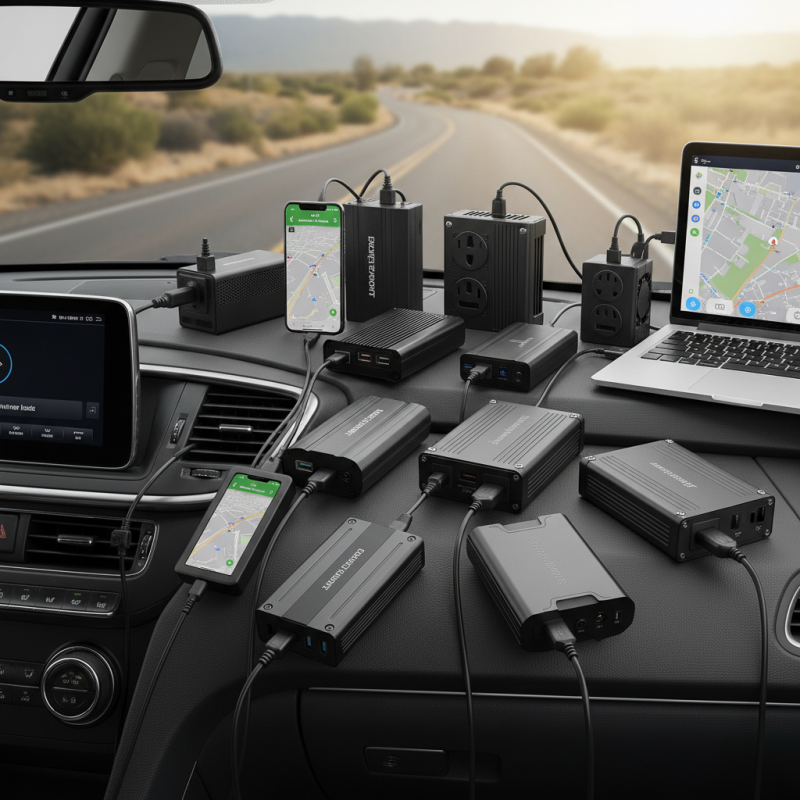
Understanding Vehicle Power Inverters: A Comprehensive Guide
Vehicle power inverters are essential for drivers who need to convert DC power from their vehicle’s battery to AC power. This allows powering up various devices such as laptops, mobile phones, and even small appliances. Understanding their functionality can help you choose the right one for your needs.
When selecting a power inverter, consider the wattage requirements of your devices. Most inverters come with different output capacities. Larger devices, like a microwave, demand more power, while charging a phone requires less. Knowing your power needs can prevent you from overloading the inverter.
Keep in mind that not all inverters perform equally. Some may heat up quickly, which can be a safety risk. It's wise to look for units that have built-in cooling systems. Also, some inverters might have limited plug options, making them less versatile for multiple devices. Always read user reviews to get a sense of real-life performance.
Top 10 Vehicle Power Inverters for Every Driver's Needs
Types of Vehicle Power Inverters: Choosing the Right One for Your Needs
When selecting a vehicle power inverter, consider your specific needs. There are two main types: modified sine wave and pure sine wave inverters. Modified sine wave inverters are often more affordable. They are sufficient for basic devices, like chargers and lights. However, they may not power sensitive electronics properly.
Pure sine wave inverters, on the other hand, offer cleaner power. This type is essential for devices such as laptops or medical equipment. It's usually pricier, but it can prevent potential damage to your gear. Think about what devices you need to power. This will help narrow your choice.
Tip: Always check the inverter's wattage. Ensure it can handle the load of your devices. One mistake could lead to serious issues. Choose a model with safety features like overheat protection. Don't overlook the importance of a good user manual. It can be helpful when troubleshooting common problems.
Top Features to Look for in Vehicle Power Inverters
When choosing a vehicle power inverter, consider the wattage capacity. It's crucial to match this with your devices' needs. A higher wattage supports more electronics. Keep in mind, using devices continuously at maximum capacity can shorten the inverter’s lifespan. It's a balance.
Another key feature to assess is the number of outlets. More outlets mean more devices can run at the same time. Planning your trips and needs ahead can help. Some travelers need just a few, while others may require several. The focus should be on organized usage.
Look for safety features like overload protection. This can prevent damage to both your devices and the inverter itself. Without these protections, mishaps could occur. Think deeply about your power needs. Ask yourself, will you often need all those devices? Keep it simple. In some cases, less is more.
The Benefits of Using Power Inverters in Your Vehicle
Power inverters have become essential for modern drivers. They convert your car's DC power into AC power. This enables charging various devices, from phones to laptops. Imagine on a long trip, your devices running out of battery. A power inverter can save the day. It allows you to stay connected, use GPS, or charge your entertainment devices.
Using a power inverter provides convenience and less stress. It lets you power tools if you are camping. You can even keep your small appliances running. Think about unwinding in your vehicle with a hot cup of coffee made with your portable kettle. That's a luxury! But not all inverters are created equal. Some may overheat or provide inadequate power. Always consider the wattage requirements of your devices.
While they are useful, there are drawbacks. A power inverter may drain your vehicle's battery quickly. They can create noise and heat. Proper installation is crucial to avoid these issues. Reflect on how often you will use it. Planning your needs helps you choose the right inverter. Use them wisely and ensure they enhance your driving experience.
Safety Tips for Using Vehicle Power Inverters Effectively
Using vehicle power inverters can enhance your road trips significantly. However, safety should be a priority. Ensure that you have a stable inverter with the correct wattage. Overloading it can lead to power surges, which are unsafe. Check your car's battery condition before connecting anything. A weak battery might struggle with the load.
When installing an inverter, secure the cables properly. Loose connections can cause sparks. Avoid running devices in wet conditions. Moisture can damage both the inverter and your devices. Don't forget to monitor the heat levels. If it gets too hot, it can fail or even start a fire. Always turn off the inverter when not in use.
Consider location carefully as well. Place the inverter in a spot with good airflow. Claustrophobic spaces can trap heat, creating risks. Keep it out of direct sunlight to avoid overheating. It’s easy to overlook these details, but even small mistakes can lead to problems. Stay attentive and be aware of your surroundings while using an inverter.