Why Are Home Solar Systems Worth It?
Why Are Home Solar Systems Worth It?
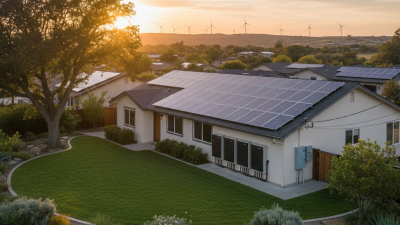
A rooftop solar system can turn an unused roof into a source of household electricity. But its value is not automatic. Your roof’s sun exposure, local utility rates, installation costs, and available incentives all shape the outcome. A south-facing roof with few obstructions may perform well; shade from a single mature tree can change the calculation.
Electricity prices help explain the appeal. The U.S. Energy Information Administration reported an average residential electricity price of about 16 cents per kilowatt-hour in 2023. That national figure is only a reference point. Local rates can differ sharply, and a solar system’s savings depend on how your utility credits exported power. Check the rules that apply to your home.
There is clear market interest, too. SEIA and Wood Mackenzie’s Solar Market Insight 2024 Year in Review reported 4.7 gigawatts of new U.S. residential solar capacity in 2024. Yet installations fell from the previous year. That is a useful reminder: adoption alone does not prove every system is a good investment. Home solar systems may reduce exposure to changing electricity costs and provide power during outages when paired with suitable storage. Batteries add expense, though, and payback periods vary. The honest answer is less tidy than a sales pitch. This guide looks at costs, savings, resilience, and practical limits so homeowners can judge whether solar fits their roof, budget, and energy use.
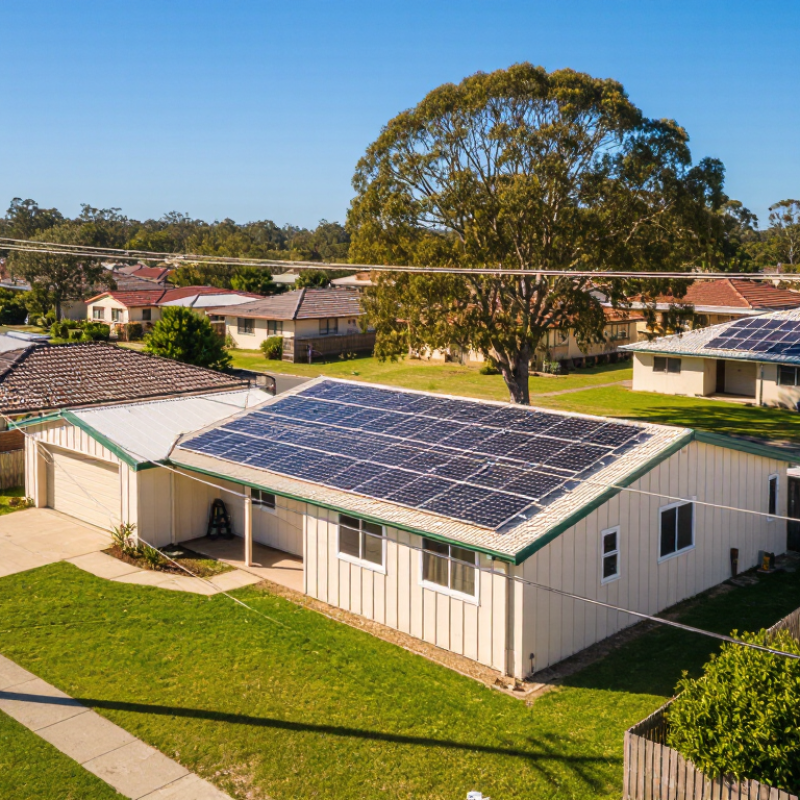
How Home Solar Systems Generate Electricity
Home solar panels use photovoltaic cells to turn sunlight into direct-current electricity. Photons striking the cells release electrons, creating an electrical current. An inverter then converts that current into alternating current, which powers ordinary household circuits.
The process is steady, not magical. NREL’s PVWatts Version 8 documentation uses a 96% default inverter efficiency and 14% default system losses for its estimates. These are modeling assumptions, not promises for every roof. Shade from a chimney, dusty panels, roof direction, and hot weather can all change actual production. The U.S. Department of Energy explains that a grid-connected system can send extra electricity to the grid; with battery storage, some surplus can be saved for later. One detail homeowners sometimes miss: panels make less electricity after sunset, when household demand may still be high.
Tips: Ask for an estimate based on your address, roof angle, and nearby shade. Compare its monthly production forecast with your own electricity use. Then check the assumptions—especially system losses and seasonal output. Forecasts are useful, but roofs rarely behave perfectly.
Why Are Home Solar Systems Worth It? How They Generate Electricity
This example estimates monthly electricity generation for a 6 kW rooftop solar system. Sunlight varies by season, so output is typically higher in sunnier months. Actual generation depends on location, roof direction, shading, weather, and system efficiency.
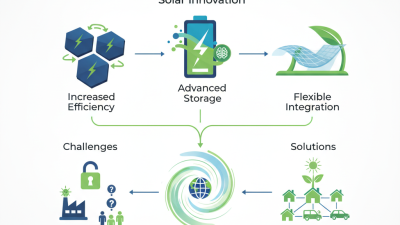
Solar panels convert sunlight into direct-current (DC) electricity. An inverter changes it to alternating-current (AC) electricity for home use. Extra electricity may be stored in a battery or sent to the grid, depending on the home’s setup.
The Costs of Installing and Owning a Solar System
The price of a home solar system is more than the panels on the roof. An installation quote may include an inverter, mounting hardware, wiring, electrical work, and local inspection fees. Roof repairs can add costs before the panels go up. Ask for these items separately, so you can see what is included.
Get several itemized quotes for systems with similar capacity. Check whether the estimate assumes a battery; storage can raise the initial cost, but may help keep essential appliances running during an outage. Not always. Compare cash prices with loan or lease terms, including fees, interest, and who is responsible for repairs. A low monthly payment does not automatically mean a lower total cost.
Ownership expenses are usually less visible. Panels need little routine attention, though dust, leaves, or heavy snow can reduce output. Inverters and batteries may need replacement during the system’s lifetime, so review their warranty periods and exclusions. Ask what service calls cost after coverage ends. Savings depend on your roof’s shade, electricity use, utility rates, and how exported power is credited. Treat payback estimates as estimates, not promises; small changes in those assumptions can shift the result by years. I would also keep a repair reserve, even when a salesperson’s projection shows decades of smooth operation.
Environmental and Energy Resilience Benefits
Home solar can reduce the emissions tied to household electricity, though the exact benefit depends on local sunshine and the grid’s fuel mix. The IPCC’s Fifth Assessment Report places median life-cycle emissions at about 48 grams of carbon dioxide equivalent per kilowatt-hour for solar photovoltaics, compared with 820 grams for coal. These figures include emissions from manufacturing and operation, not just the electricity produced at home. That difference is substantial. A shaded roof or a carbon-light local grid can make the real-world advantage smaller.
Solar can also support resilience, but panels alone usually do not keep a home powered during a grid outage. The U.S. Department of Energy explains that standard grid-connected systems shut down during outages unless configured with suitable storage and backup equipment. With a battery, a household may keep essential circuits running, such as a refrigerator, a few lights, or a phone charger. The duration depends on battery capacity, household use, and available sunlight. Still, outages expose limits. A battery can run low, and cloudy weather may slow recharging. It is easy to overpromise here: resilience improves when the system is designed around specific needs, not simply because panels sit on the roof.
Factors That Determine Whether Solar Is Worth It
A home solar system is most valuable when your roof receives steady sunlight and your household uses power during daylight hours. Shade from a chimney or nearby tree can reduce production, even on a clear day. The National Renewable Energy Laboratory’s PVWatts tool estimates output using location, roof direction, tilt, and local weather. Treat its result as an estimate, not a promise.
Electricity prices and utility rules can matter as much as sunshine. The U.S. Energy Information Administration reported an average residential electricity price of about 16 cents per kilowatt-hour in 2023, but local rates vary widely. Lawrence Berkeley National Laboratory’s Tracking the Sun 2024 report put the median residential solar installation price at about $3.15 per watt for systems installed in 2023. Compare that upfront cost with your expected bill savings, financing charges, and any payment for power sent back to the grid. Those export rates can change the calculation.
Look closely at roof condition, too. Replacing shingles after panels go up may add removal and reinstall costs. Battery storage can provide backup, but it also raises the initial expense; its value depends on outages and local rates. A spreadsheet can still flatter the result. Check assumptions against recent bills, written installation quotes, and the utility’s current rules before deciding.