2026 Best Energy Solutions for Sustainable Global Procurement?
As global demand for sustainable energy solutions grows, companies seek effective procurement strategies. According to a recent report from the International Energy Agency, renewable energy use has increased by over 50% in the past decade. This shift is vital for meeting climate goals and reducing carbon footprints.
Energy solutions are not just about technology. They involve financial considerations, policy frameworks, and stakeholder engagement. Industry expert Dr. Emily Novack emphasizes, "The future of energy procurement lies in integrated solutions that prioritize sustainability and innovation." This outlook highlights the need to rethink traditional sourcing methods.
Despite advancements, challenges remain. Many companies struggle with assessing long-term sustainability impacts. The varying regulations across regions add to the complexity. Improvement in energy solutions must go beyond simply meeting current needs. Organizations must reflect on their strategies and adapt proactively to changing market dynamics.

Best Energy Solutions Overview for Sustainable Global Procurement
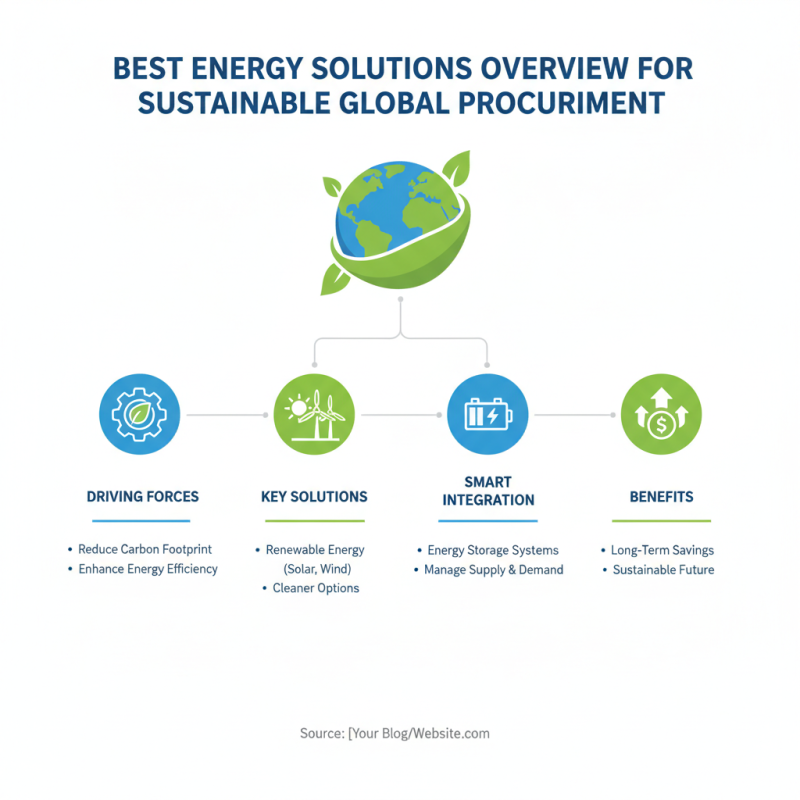
In the quest for sustainable global procurement, innovative energy solutions are becoming essential. The need to reduce carbon footprints and enhance energy efficiency drives businesses to reconsider their energy sources. Transitioning to renewable energy, such as solar and wind, offers potential. These sources provide cleaner options and can lead to long-term savings. Companies are increasingly integrating energy storage systems to manage supply and demand effectively.
However, challenges persist. Many organizations struggle to align these technologies with existing infrastructure. The initial investment can be daunting, and regulatory hurdles might slow down implementation. Additionally, the variability of renewable energy requires careful planning. Businesses must be ready to adapt to a fluctuating energy landscape.
Collaboration is key for overcoming these obstacles. Engaging with experts can provide insights and guidance. Working with local governments and communities fosters a supportive environment. Companies must reflect on their current energy practices and be open to change. This willingness will determine the success of sustainable procurement efforts moving forward.
Key Criteria for Evaluating Energy Solutions in Procurement
Evaluating energy solutions for sustainable global procurement involves several key criteria. Companies must focus on renewable sources. Solar, wind, and hydroelectric power are vital components. According to a report by the International Energy Agency, renewable energy made up 29% of global electricity generation in 2020. This number continues to grow, reflecting the increasing demand for sustainable solutions.
Adoption of energy efficiency measures is crucial. Solutions should reduce consumption without sacrificing output. A study by the American Council for an Energy-Efficient Economy indicates that businesses can save up to 30% on energy costs through effective measures. This potential for significant savings makes energy efficiency a top priority in procurement strategies.
**Tip:** Evaluate potential suppliers based on their commitment to sustainability. Look for certifications or recognized standards in green energy.
Transparency is another essential factor. Companies need to understand the origins of energy sources. Reports show that transparency builds trust and helps mitigate risks associated with procurement. However, assessing the reliability of these sources can be challenging. Consistently monitoring performance and sustainability claims is vital.
**Tip:** Regular audits can help ensure compliance and quality. This practice supports continuous improvement in energy procurement.
2026 Best Energy Solutions for Sustainable Global Procurement
| Energy Solution |
Energy Source |
Efficiency (%) |
Sustainability Rating |
Cost (per KWh) |
| Solar Power System |
Solar |
85 |
A+ |
$0.08 |
| Wind Turbine |
Wind |
90 |
A |
$0.05 |
| Geothermal Energy |
Geothermal |
95 |
A++ |
$0.07 |
| Hydroelectric Power |
Hydropower |
88 |
A+ |
$0.04 |
| Biomass Energy |
Biomass |
75 |
B |
$0.10 |
Innovative Renewable Energy Technologies and Their Applications
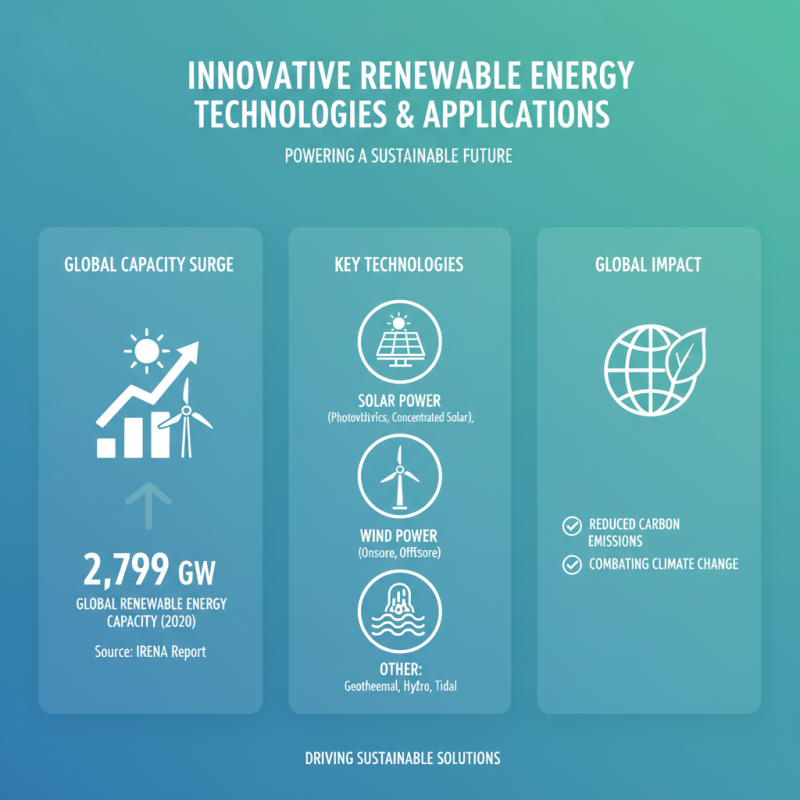
In recent years, innovative renewable energy technologies have gained traction across various sectors. According to a report by the International Renewable Energy Agency (IRENA), global renewable energy capacity reached over 2,799 gigawatts in 2020. This surge highlights the growing commitment to sustainable energy solutions, crucial for reducing carbon emissions and addressing climate change.
Solar photovoltaic (PV) systems represent a significant breakthrough. They have seen cost reductions of nearly 90% since 2000, making solar energy more accessible. Meanwhile, wind energy has also proliferated, with onshore installations proving to be highly efficient. In some regions, wind power has become one of the cheapest sources of electricity. Yet, challenges remain. Inconsistent energy output and reliance on favorable weather conditions can disrupt supply chains.
Energy storage technologies, like lithium-ion batteries, are evolving rapidly. A report from Bloomberg New Energy Finance estimates that battery costs have dropped by 89% in the last decade. However, concerns about resource sourcing and recycling persist. Maintaining reliability while minimizing environmental impact will require ongoing innovation and reflection on the current practices in energy procurement. Balancing these elements is essential for creating a sustainable future.
Case Studies of Successful Sustainable Procurement Initiatives
Sustainable procurement is gaining traction globally. Organizations are realizing its importance for long-term success. For example, a municipal government implemented a green procurement policy that focuses on eco-friendly products. The initiative reduced waste by 30% within a year. This case highlights the potential for tangible outcomes through careful decision-making.
Another noteworthy project involved a multinational corporation adopting renewable energy sources. By collaborating with local suppliers, they sourced solar panels for their operations. This partnership led to a 25% decrease in energy costs. However, challenges arose in aligning values between suppliers. The complexity of stakeholders made negotiations tough. Reflecting on these hurdles can provide valuable insights for future initiatives.
Ultimately, these case studies underscore the need for commitment and flexibility in sustainable procurement. Success hinges on continuous improvement and community engagement. Organizations must remain open to feedback while striving for clarity in their sustainable goals. Acknowledging imperfections can foster growth and lead to more effective strategies in the long run.
Challenges and Opportunities in Implementing Energy Solutions
The shift toward sustainable energy solutions presents both challenges and opportunities in global procurement. Many companies face obstacles in adopting renewable energy sources due to high initial costs and integration complexities. A recent report by the International Renewable Energy Agency (IRENA) highlights that over 60% of organizations struggle with energy transition strategies, reflecting a significant implementation gap.
However, businesses can harness several opportunities through proper planning. Embracing energy efficiency can lead to up to 30% reductions in operational costs. Investing in microgrids and energy storage also provides resilience against fluctuating energy prices. Furthermore, the global market for green energy is anticipated to exceed $1 trillion by 2030, creating vast potential for growth.
**Tip: Start with small changes.** Implementing simple energy-saving measures can lead to meaningful reductions in costs.
Companies that take proactive steps in energy procurement may find advantages in regulatory compliance and brand reputation. Yet, it is essential to continually reassess strategies based on evolving technologies and market conditions. The rate of change in the energy sector often outpaces organizational readiness, warranting a reflective approach to procurement decisions.
**Tip: Monitor your energy spend regularly.** Keep track of utility bills and energy usage to identify areas for improvement.
2026 Best Energy Solutions for Sustainable Global Procurement