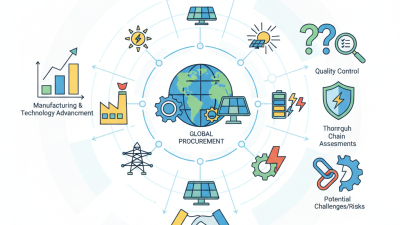
Top 10 Energy Solutions in China for Global Buyers Seeking Innovation?
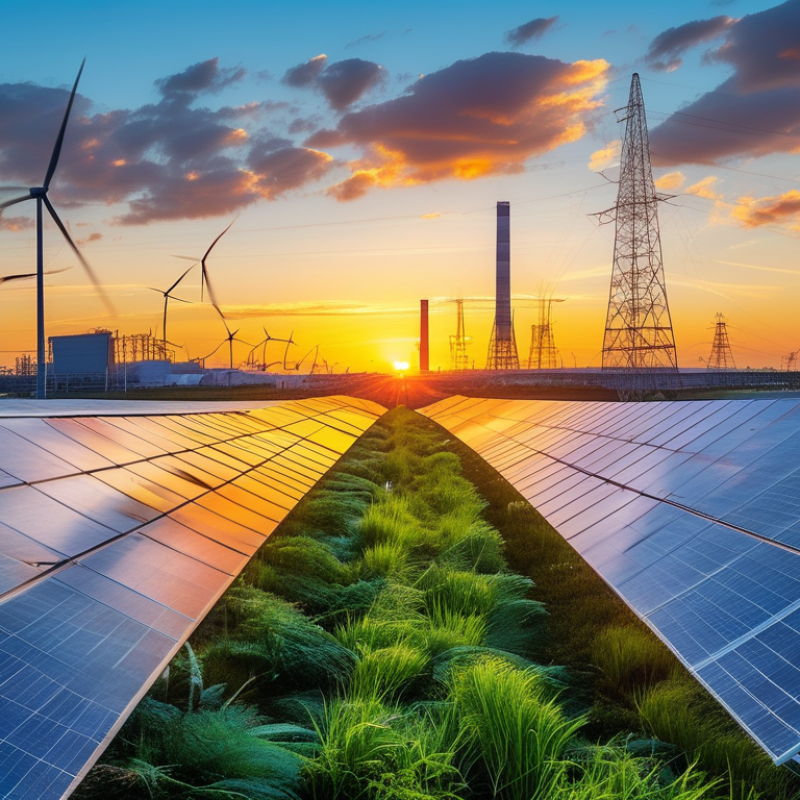
In recent years, China has emerged as a leader in innovative energy solutions. Global buyers are increasingly drawn to its diverse offerings. The country's rapid technological advancements, fueled by a focus on sustainability, have transformed its energy landscape.
China's commitment to renewable energy sources is remarkable. From solar power to wind energy, its initiatives boost both efficiency and environmental benefits. However, navigating this market can be complex, with various options available. Buyers must assess the reliability of these energy solutions carefully.
While there are numerous opportunities, challenges exist. Some technologies may not yet be fully developed or widely adopted. Buyers should engage with trusted suppliers and conduct thorough research. By doing so, they can leverage China's energy solutions to foster their own innovation and sustainability goals.
Top Energy Trends Shaping China's Renewable Sector in 2023
China's renewable energy landscape is evolving rapidly. In 2023, solar and wind power dominate with a combined capacity exceeding 500 GW. According to the International Renewable Energy Agency (IRENA), China accounts for 40% of the global wind capacity. This highlights the nation's commitment to leading the renewable sector. Solar energy production is forecasted to grow by more than 25% annually, fueled by technological advancements and policy support.
Battery storage is another critical trend driving innovation. Since 2022, the lithium-ion battery market has seen a 60% price drop. This shift makes renewable integration more feasible. Energy storage solutions are vital for managing intermittency in renewables. Challenges remain. There are concerns over supply chain sustainability and recycling. As demand rises, manufacturers must address these issues to maintain growth and reliability.
Moreover, electric vehicle (EV) adoption is accelerating. In 2023, nearly 30% of all new cars sold in China are EVs. This trend significantly boosts lithium and cobalt demand. There's a risk of over-dependence on limited resources. Diversifying sourcing and improving recycling techniques are crucial for long-term sustainability. The industry needs to reflect on these challenges while seizing opportunities in the renewable sector.
Solar Power Innovations: China's Leading Role in Global Energy Solutions
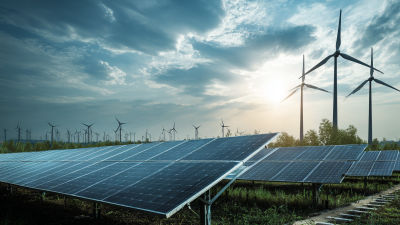
China is rapidly advancing as a leader in solar power innovations. The country invests heavily in renewable energy technologies. With its vast solar farms and manufacturing capabilities, China is reshaping the global energy landscape. Innovative solar panel designs and storage solutions demonstrate China's commitment to sustainable energy. However, challenges remain in efficiency and grid integration.
Many local companies are developing new solar technologies. These innovations aim to enhance energy capture and reduce costs. Integration with smart grid systems is also a focus area. While progress is evident, overcoming technical hurdles is crucial. Effective energy storage solutions are still in development, which impacts overall efficiency.
Chinese researchers are refining solar applications. They explore ways to optimize energy output. Ongoing collaboration with international experts fosters knowledge exchange, pushing boundaries further. Although the journey is promising, constant evaluation of these technologies is vital. Balancing innovation with real-world applications will determine their success in the global market.
Wind Energy Expansion: Key Developments and Market Projections
Wind energy in China is rapidly gaining traction. The country aims to become a global leader in this sector. Recent investments have significantly boosted capacity, making significant contributions to renewable energy targets.
China's wind farms are expanding aggressively. By 2025, projections indicate that installed capacity may exceed 300 gigawatts. Coastal regions are particularly suited for offshore wind projects. The government’s supportive policies have encouraged this growth, attracting both domestic and foreign investments. However, challenges remain, such as grid connectivity and fluctuating energy demands.
Wind energy technology is evolving quickly, yet innovation is not without hurdles. Companies often face regulatory complexities and competition in a crowded market. A shift toward sustainable practices and energy storage solutions is essential. Understanding these dynamics can lead to better-informed decisions for global buyers looking into innovative energy solutions in China.
Wind Energy Expansion in China: Key Developments and Market Projections
This bar chart illustrates the expansion of wind energy capacity in China from 2018 to projected figures for 2023. The steady increase in installed capacity reflects significant investments and advancements in wind energy technology, positioning China as a global leader in renewable energy development.
Energy Storage Technologies: Enhancing Grid Stability and Efficiency
Energy storage technologies are essential for enhancing grid stability and efficiency, particularly in China. As the world's largest energy consumer, China faces unique challenges in managing energy supply and demand. Recent studies show that integrating energy storage can reduce grid congestion and improve reliability. According to a report by the China Electric Power Research Institute, energy storage systems could increase the utilization of renewable energy sources by up to 30%.
Battery energy storage systems (BESS) play a vital role in this landscape. These systems store excess energy during peak production times and release it during high demand periods. In 2020, the global market for energy storage was valued at approximately $9 billion, with China accounting for over 30% of that revenue. However, the rapid growth has also led to challenges. Safety issues and environmental impacts of battery production require further exploration.
Moreover, while the technology continues to evolve, reliance on traditional energy sources persists. Current data shows that approximately 70% of China's energy still comes from coal. The transition to cleaner energy storage solutions remains a work in progress. Discussions around efficiency, safety, and sustainability are ongoing. This ecosystem demands innovation alongside reflection on past practices and future needs.
Hydrogen Production and its Impact on China’s Energy Landscape
Hydrogen production is reshaping China's energy landscape. As the world shifts towards cleaner solutions, China embraces hydrogen as a key player. Innovations in electrolysis and fuel cell technology drive this transformation. The country has invested significantly in hydrogen infrastructure, aiming to reduce carbon emissions.
Tips: Explore local initiatives to understand the hydrogen market better. Engaging with local experts can provide insights into compliance and regulations.
This rapid advancement is not without challenges. Developing a sustainable supply chain remains a complex task. The variability in renewable energy sources impacts hydrogen production efficiency. Furthermore, the cost of production needs continuous assessment.
Tips: Consider attending workshops to stay updated on hydrogen technologies. Networking with industry professionals can reveal potential collaboration opportunities.
The impact of hydrogen extends beyond energy production. It affects transportation, heating, and industry sectors. Adopting hydrogen solutions requires a shift in mindset and practices. Stakeholders must embrace innovation while addressing environmental concerns.