Top 10 Types of Home Solar Systems to Buy
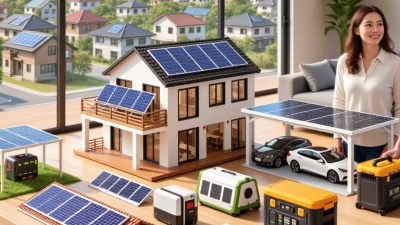
Choosing among the top 10 types of home solar systems can feel like comparing ten different homes for your electricity needs. Each design solves a different problem. Rooftop photovoltaic systems suit many houses. Ground-mounted arrays may help properties with shaded or weak roofs. Hybrid systems combine solar panels with batteries. Portable units can support cabins, workshops, or emergency loads.
The details matter. A south-facing roof may produce strong afternoon output, while nearby trees can reduce generation dramatically. Battery capacity affects nighttime comfort, backup duration, and purchase cost. Microinverters can improve monitoring when panels face different directions. String inverters may offer a simpler, more affordable layout. Yet no option is perfect. I have seen attractive system plans fail because installers ignored roof age, snow load, or future electricity demand.
Fatih Birol, Executive Director of the International Energy Agency, said, “Solar is now the cheapest source of electricity in history.” That statement highlights solar’s broader value, but household decisions require more than a low generation cost. Equipment quality, installation experience, warranty terms, local weather, and utility rules all deserve careful review. Prices and incentives also change.
This guide examines ten practical categories of home solar systems. It considers where each system works best, what it costs to maintain, and which household might regret choosing it. Some homes need maximum savings. Others need resilience during outages. A few need portability.
The best system is rarely the most powerful one. It is the one that fits the roof, budget, lifestyle, and honest expectations. Expect trade-offs. That is normal.
How Home Solar Systems Are Classified for Buyers
Top 10 Types of Home Solar Systems to Buy
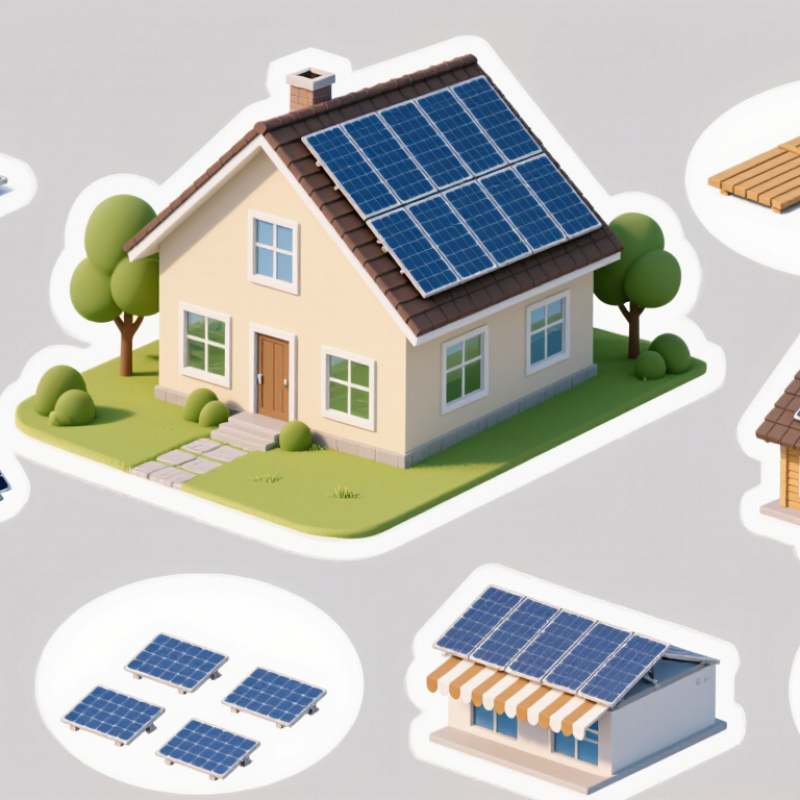
Home solar systems are classified by power connection, equipment layout, mounting method, and storage. Grid-tied systems send extra electricity to the utility network, while off-grid systems work independently. Hybrid systems combine both options with batteries. These three categories matter most during outages and changing electricity rates.
Mounting creates another useful classification. Rooftop systems use existing space, while ground-mounted arrays need clear land and stronger foundations. Solar carports produce electricity while covering a driveway. Portable systems suit renters, camping, or emergency charging, but their output is usually limited. Solar-plus-battery systems store daytime energy for evening use. AC-coupled systems add batteries after installation, while DC-coupled systems connect storage closer to the panels. Solar thermal systems heat water instead of producing household electricity. Community solar subscriptions provide shared solar access without installing panels at home.
Tips: Ask for a load assessment, roof inspection, and shaded-hour estimate. Compare usable battery capacity, not just the advertised size. Check whether essential circuits can operate during an outage. A ground array may perform better, yet local permits and soil conditions can change the price. Battery systems also lose some energy during conversion. I have found that buyers often focus on panel wattage first. That can be a mistake. Installer experience, monitoring quality, warranty terms, and realistic production estimates deserve equal attention. A system that looks cheaper may need costly electrical upgrades later.
Top 10 Types of Home Solar Systems to Buy
Home solar systems are commonly classified by their mounting method, grid connection, battery configuration, and building integration. The chart compares representative residential photovoltaic capacity ranges for ten widely used system types.
The capacity ranges are typical residential planning bands rather than fixed product specifications. Actual sizing depends on household electricity use, roof or land area, local sunlight, storage requirements, electrical regulations, and backup goals.
Grid-Tied Solar Systems for Everyday Residential Power
Top 10 Types of Home Solar Systems to Buy: Grid-Tied Solar Systems for Everyday Residential Power
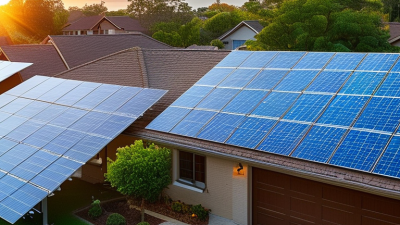
Grid-tied solar systems connect rooftop panels to the utility network through an inverter and approved meter. They usually cost less than hybrid systems because they do not require batteries. During sunny hours, panels can power appliances directly, while excess electricity flows to the grid. At night, the home draws power from the utility.
The IEA PVPS Trends 2024 report recorded more than 1.6 terawatts of global photovoltaic capacity by the end of 2023. This growth reflects wider technical experience, not a guarantee for every roof. NREL’s 2024 PV System Cost Benchmark places representative residential photovoltaic costs near 2.68 dollars per watt before incentives. Local labor, permitting, roof repairs, and interconnection can change the final price significantly.
A practical system needs accurate shade analysis, roof measurements, and hourly electricity data. A south-facing roof is not mandatory, but heavy afternoon shade can reduce production sharply. Ask for equipment certified under applicable electrical standards, including IEEE 1547 requirements for grid interconnection. Utility credit rules also matter. Some programs pay less for exported electricity than retail power.
I have seen homeowners overtrust annual production estimates. Weather is uneven. Dust accumulates. Inverter limits can also reduce midday output. A conservative proposal should show monthly production, expected degradation, outage behavior, and maintenance assumptions. Grid-tied systems commonly shut down during outages unless paired with approved backup equipment. That safety feature protects utility workers, but surprises many buyers.
Off-Grid Solar Systems for Independent Home Energy
Among the top 10 types of home solar systems, off-grid systems offer the strongest energy independence.
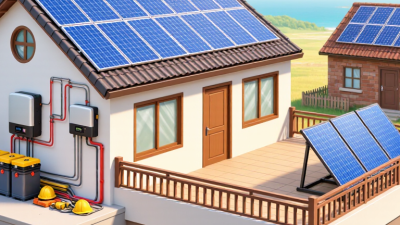
They operate without a utility connection, using solar panels, batteries, an inverter, and protective equipment. A proper design begins with a household energy audit. Record daily use from refrigerators, pumps, lights, and heating devices. Seasonal changes matter. Winter sunlight may be weaker, while summer cooling can increase demand. The first estimate is rarely perfect.
Tips: Choose efficient appliances before adding more panels. Keep batteries in a dry, ventilated space. Leave room for maintenance. Include backup generation only when local rules permit it. A certified electrician should inspect wiring, grounding, disconnects, and battery protection. Never place equipment near standing water or blocked ventilation.
Battery capacity determines how long the home can operate after sunset or during cloudy weather. Lithium-based batteries can provide useful cycle life, but their cost may challenge smaller budgets. Other battery chemistries may be heavier and require more space. There is no universal answer. I would rather design for essential loads than promise unlimited power. A critical-load panel can keep refrigeration, communications, water pumping, and medical equipment running during shortages. Monitoring software can reveal unusual consumption, although data does not replace physical inspections. Check connections, clean panels safely, and review battery performance at scheduled intervals. Local permits, fire rules, and electrical standards must guide every installation.
Specialized Solar Designs and How to Compare Them
Top 10 Types of Home Solar Systems to Buy
Specialized Solar Designs and How to Compare Them
Home solar systems differ more than their panels suggest. A grid-tied string system suits a sunny roof with minimal shading. Microinverter systems perform better when chimneys or trees create uneven exposure. Hybrid systems add batteries for evening use, while off-grid designs require larger storage and backup generation. Ground-mounted arrays can outperform rooftops, but they need usable land, secure foundations, and local approval.
Compare designs by daily load, roof direction, outage priorities, and future expansion. The U.S. Department of Energy recommends reviewing whole-system performance, not panel efficiency alone. Lawrence Berkeley National Laboratory reported a median residential PV system size of about 7.4 kilowatts in its 2024 residential solar report. That figure is useful, but not a household prescription. A small apartment has different needs.
Battery choices deserve careful attention. AC-coupled storage is easier to add later, while DC-coupled systems can reduce conversion losses. During site assessments, I check shade at different hours, not just at noon. That simple habit catches disappointing layouts. IEA PVPS reported more than 400 gigawatts of new photovoltaic capacity worldwide in 2023, showing how quickly designs are evolving. Yet newer equipment is not automatically better. Compare usable battery capacity, warranty terms, inverter replacement access, installation workmanship, and winter production estimates. Ask for hourly modeling. Annual totals can hide uncomfortable evening shortages.