• Cleveland QLD 4163 Find us on Facebook

  • What Is the Best Residential Solar Power System in China?

    Choosing the best residential solar power system in China depends on more than panel efficiency. A suitable system must match your roof, electricity use, local sunlight, and budget. A family in Guangdong may need different equipment from one in Gansu. Humid coastal air, winter temperatures, and roof shadows can change long-term performance.

    In practical projects, installers usually assess roof structure, cable routes, inverter placement, and daily energy demand. A south-facing roof can help, but real buildings are rarely perfect. Nearby trees, water tanks, and apartment walls may create afternoon shade. Small details matter. Battery storage can improve evening usage, although it increases the initial cost and requires careful fire-safety planning. Grid-connected systems may offer better value when electricity is available reliably. Off-grid systems need stronger batteries and backup planning.

    Reliable manufacturers should provide clear technical specifications, product warranties, monitoring tools, and local service support. Look for tested inverters, corrosion-resistant mounting hardware, and panels suited to the local climate. An experienced installer should explain expected output using realistic assumptions, not only laboratory ratings. This is where some sales proposals become weak. Annual production estimates can feel precise, yet weather and maintenance introduce uncertainty.

    A trustworthy comparison should examine total ownership cost, installation quality, replacement needs, and after-sales response. The cheapest quote may not be the best choice. Performance must be verified over time. That means reviewing monitoring data, cleaning access, and inverter alerts after installation. The best system is not identical for every household. It is the system that remains safe, productive, and supportable for many years.
    What Is the Best Residential Solar Power System in China?

    What Defines the Best Residential Solar Power System in China?

    The best residential solar power system in China is not simply the one with the highest rated capacity. It must match the roof, household demand, local climate, and grid conditions. China’s National Energy Administration reported 43.48 GW of newly added household distributed photovoltaic capacity in 2023. That scale shows strong adoption, but it also exposes differences in installation quality and after-sales service.

    A reliable system should deliver predictable annual energy, safe electrical protection, clear monitoring, and practical battery control. The IEA Photovoltaic Power Systems Programme reported that China remained the world’s largest photovoltaic market in 2023, with more than 200 GW of new capacity installed. However, national growth does not guarantee excellent household performance. Shading from water tanks, dusty tiles, weak roofs, and winter heating loads can reduce real output. Numbers can mislead.

    In my view, the best system begins with a site survey and an hourly load assessment. It should use certified components, professional wiring, surge protection, and a documented maintenance plan. Battery storage deserves careful attention. Round-trip efficiency, usable capacity, temperature management, and replacement terms matter more than a large battery label. A perfect system rarely exists. I would not pretend otherwise. Homeowners should compare measured yield, warranty conditions, installer credentials, and grid-connection records, rather than trusting impressive brochures. The final choice should remain understandable five years later.

    How China’s Residential Solar Systems Work

    What Is the Best Residential Solar Power System in China?

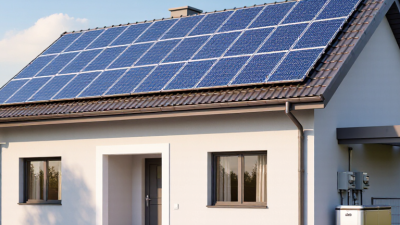
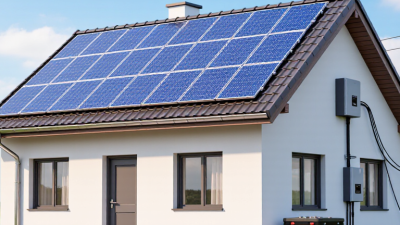
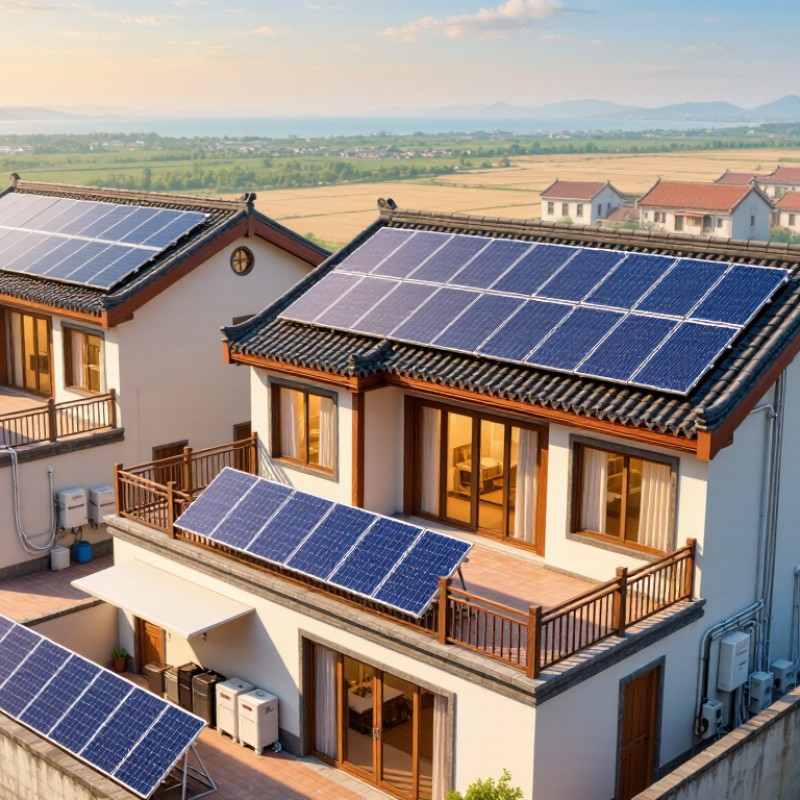
    A residential solar system in China usually begins with rooftop panels. They convert sunlight into direct current electricity. An inverter then changes it into alternating current for household appliances. Power flows through a smart meter before reaching the grid.

    The system serves home loads first. Excess electricity may enter the public grid, depending on local rules and the approved connection plan. A battery can store surplus power for evening use. It adds flexibility, but also increases cost, weight, and maintenance needs. According to IEA PVPS Trends 2024, China installed about 217 gigawatts of solar capacity in 2023. That scale supports a mature supply chain, but performance still depends on roof direction, shading, weather, and installation quality. The largest system is not always the best choice.

    Tips: Check twelve months of electricity bills before sizing the system. Ask for inverter efficiency, warranty terms, fire-safety arrangements, and monitoring access. NREL’s PVWatts guidance also shows why local weather data matters when estimating annual output. Avoid trusting a single production promise. Real roofs are messier.

    A practical design often combines high-efficiency panels, a correctly sized inverter, and optional battery storage. In northern areas, snow and cold temperatures require stronger mounting details. In coastal regions, salt and humidity can accelerate corrosion. These details are easy to overlook. I would also reserve space around equipment for inspection. A neat installation may produce less than an oversized one, but it is usually easier to operate safely.

    Which Solar Technologies Suit Chinese Homes Best?

    For most Chinese homes, monocrystalline silicon panels offer the best balance of efficiency, durability, and roof space. They suit compact urban rooftops where every square meter matters. In southern provinces, panels should resist heat, humidity, and frequent rain. In northern areas, installers must consider snow loads, winter shading, and freezing temperatures. A practical roof inspection matters more than a simple online quotation.

    Microinverters can suit homes with several roof directions or partial shade from water tanks and nearby buildings. They help each panel operate more independently. String inverters may be more economical on clear, regularly shaped roofs. A qualified engineer should check cable routes, roof strength, grounding, and local grid requirements. Small details matter. A poorly placed panel can lose production every afternoon.

    Battery storage is useful when a household consumes more electricity at night, especially with heat pumps or electric vehicles. However, batteries add cost, weight, and maintenance needs. Their value depends on electricity prices, backup expectations, and local connection rules. I would not install one automatically. An honest assessment may show that direct daytime use is better. Performance estimates should use local weather data, not perfect-sky assumptions. No system performs perfectly. Regular inspections are still necessary.

    How to Compare System Cost, Efficiency, and Reliability

    What Is the Best Residential Solar Power System in China?

    A practical comparison starts with usable electricity, not panel count. IEA PVPS Trends 2024 reports that China added about 217 gigawatts of solar capacity in 2023. This scale can lower equipment costs, but household prices still vary with roof access, wiring, and local labor. Compare the complete installed price, including mounting, protection devices, monitoring, installation, and grid paperwork. Request an annual output estimate in kilowatt-hours, not only peak capacity. Low quotes can hide important omissions.

    Efficiency needs context. Fraunhofer ISE’s Photovoltaics Report 2024 places commercial crystalline-silicon modules near 22% efficiency, while laboratory results are considerably higher. For a small roof, higher efficiency can reduce the required area. However, panel output also falls during hot afternoons. Check the temperature coefficient, shading assumptions, and estimated winter production. Those details matter more than a small efficiency difference. I may be overly cautious here, but optimistic forecasts deserve questioning.

    Reliability should be measured over years. A widely cited NREL degradation analysis found average photovoltaic degradation near 0.5% annually. Ask for clear product warranties, IEC testing evidence, installer workmanship coverage, and a local maintenance plan. Review inverter replacement terms separately. Batteries also introduce cycle losses and future replacement costs. They may be sensible for backup power, but not automatically economical. Compare ten-year energy yield, maintenance, and replacement risk beside the initial system cost.

    What Policies, Installation Steps, and Maintenance Are Required?

    China’s residential solar policies vary by province, city, and grid company. Homeowners should confirm local approval rules before purchasing equipment. The National Energy Administration reported 609 gigawatts of cumulative solar capacity by the end of 2023. IRENA’s Renewable Capacity Statistics 2024 supports this figure. Growth is rapid, but household procedures remain local.

    A compliant project normally begins with a roof survey, structural check, and electricity-load review. The installer then designs panel orientation, inverter capacity, cable routes, and protection devices. The homeowner submits identity, property, and grid-connection documents. After approval, technicians install the mounting structure, modules, inverter, grounding, and monitoring system. The grid company inspects the system before connection. Do not skip this step. Relevant Chinese standards include GB/T 33593 for grid-connected photovoltaic systems and electrical safety requirements. Policies on surplus electricity compensation can change, so written tariff terms matter.

    Maintenance is simple, but not optional. Inspect cables, connectors, mounting points, and drainage at least twice yearly. Dust, bird droppings, and shading can reduce output. The International Energy Agency Photovoltaic Power Systems Programme notes that performance monitoring helps identify faults early. A practical check compares monthly generation with historical weather conditions. Sudden drops deserve professional testing. Battery systems need extra attention, including temperature control and fire-safety clearances. Many household plans underestimate roof aging and future repairs. That assumption should be challenged.

    Best Residential Solar Power System in China: Key Service-Life Benchmarks

    A suitable residential solar system in China should combine high-quality PV modules, a correctly sized inverter, durable mounting structures, and optional battery storage. The chart shows common industry service-life benchmarks rather than company or brand data. Actual values depend on product specifications, local climate, grid-connection requirements, installation quality, and regular maintenance. Homeowners should also confirm local project filing, grid-connection, electricity-settlement, and safety requirements before installation.