What Are the Top 10 Solar Power Solutions in China?
China’s solar market spans utility-scale farms, factory rooftops, village systems, and compact home installations. Each setting calls for different equipment, financing, installation skills, and maintenance plans. A panel’s rated output matters, but so do inverter performance, shading, grid access, and local weather. The small details matter. International Energy Agency Executive Director Fatih Birol called solar “the new king of electricity” in the IEA’s 2020 World Energy Outlook. That phrase reflects solar’s growing importance, not a promise that every project will succeed. This guide explores ten solar power solutions offered by Chinese manufacturers and providers, with attention to where each option may fit.
Readers will encounter photovoltaic panels, rooftop systems, inverters, battery storage, solar water heating, and integrated solutions. Some work best on broad industrial roofs; others suit homes where space is limited. A battery can help shift stored energy into evening hours, but it also adds cost and maintenance needs. Product specifications are useful, yet warranties, installation support, and performance in local conditions deserve equal scrutiny. No ranking is perfectly neutral. Prices and product availability change, and the best choice depends on the site, budget, and energy needs. The comparisons ahead offer a starting point, not a final verdict. They aim to help readers ask sharper questions before choosing a system.
Understanding Solar Power Solutions in China
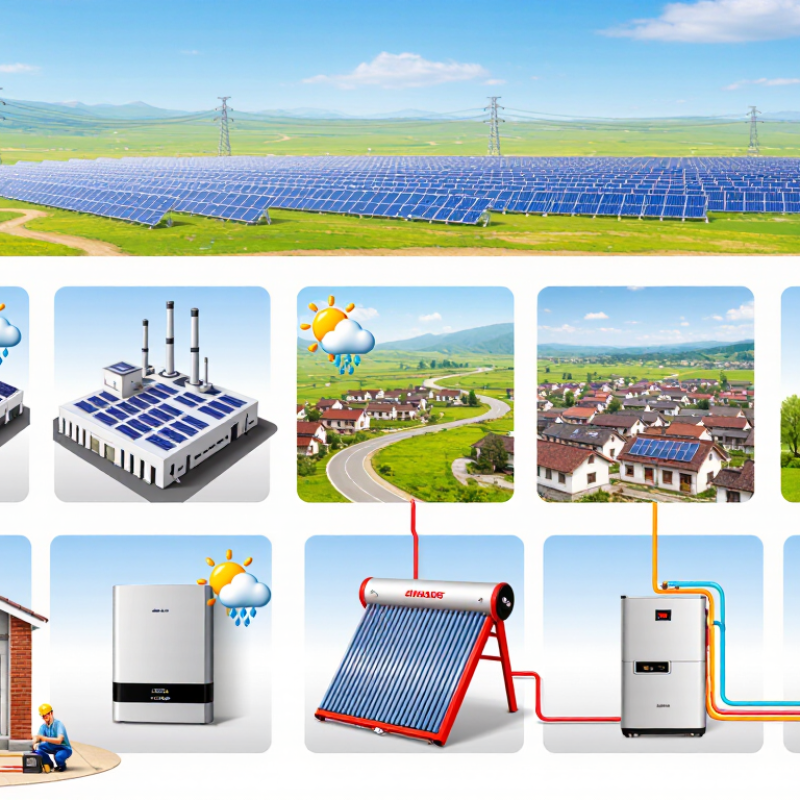
Understanding solar power solutions in China means matching technology to location, demand, and grid access. Options include utility-scale solar farms, rooftop panels, building-integrated photovoltaics, floating solar, agrivoltaics, and solar-plus-storage systems. Hybrid projects can combine solar with wind or other generation. Small microgrids also serve remote sites.
China’s National Energy Administration reported 887 gigawatts of installed solar capacity by the end of 2024, up 45.2% year over year. IRENA’s Renewable Capacity Statistics 2025 also documents China’s rapid solar expansion.
These figures show scale, not suitability for every site. A factory roof with daytime demand may benefit from self-consumption; a shaded roof may not. Storage can shift solar power into evening hours, but adds cost and maintenance. Scale matters. Not always.
Tips: Check roof condition, shading, local grid capacity, and hourly electricity use before comparing systems. Ask for yield estimates that include seasonal variation and equipment losses. A forecast can still be wrong; measure actual output after installation.
How China’s Solar Energy Market Is Organized
China’s solar market is organized around a large manufacturing chain and two deployment channels: utility-scale power plants and distributed rooftop systems. Manufacturers produce materials, cells, and modules; developers build projects, while grid companies connect them and manage electricity delivery. The National Energy Administration reported 277.17 gigawatts of newly installed solar capacity in 2024, bringing China’s total to 886.66 gigawatts. That scale supports a wide supplier base, but it also makes grid access and storage increasingly important.
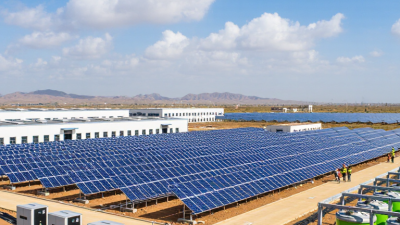
The channels serve different needs. Large plants often occupy open inland sites and feed power into regional grids. Rooftop systems place panels on factories, warehouses, and homes, bringing generation closer to users. The International Energy Agency’s Renewables 2024 report expects China to contribute nearly 60% of global renewable capacity growth through 2030. That forecast helps explain why policy, project finance, equipment supply, and grid planning all shape the market. The split is useful, but not perfectly neat: distributed projects can still depend on local network capacity, and a panel on a roof does not guarantee reliable power after sunset. A real constraint.
The Top 10 Solar Power Solutions in China
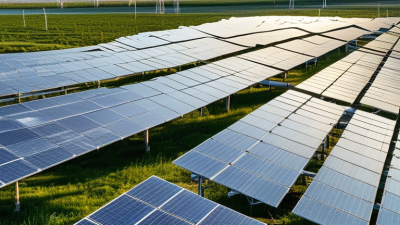
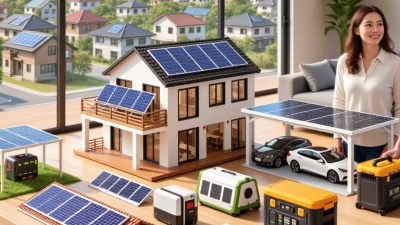
China’s top 10 solar power solutions are application types, not a universal ranking. They include utility-scale solar farms, factory rooftops, residential systems, agrivoltaics, floating arrays, and building-integrated photovoltaics. The other options are PV-plus-battery systems, solar microgrids, off-grid kits, and solar EV-charging canopies. China’s National Energy Administration reported 277.17 GW of new solar capacity in 2024, bringing cumulative capacity to 886.66 GW. These figures come from its 2024 national power-industry statistics, published in January 2025.
Each solution fits different site conditions. A shaded urban roof may suit a smaller system better than a large array. Farms need careful panel spacing, while floating projects require water-site and maintenance assessments. Batteries can shift some solar electricity into evening hours, but add cost and need a suitable operating plan. A capacity figure alone does not show whether local grids can absorb power. That distinction matters.
Tips: Check roof structure, shading, grid access, and expected daily demand before comparing quotes. Ask for estimated annual generation and storage assumptions. Small details matter. I’d also treat projected savings cautiously; actual results can differ when weather, tariffs, or equipment performance change.
Comparing Solutions by Cost, Efficiency, and Application
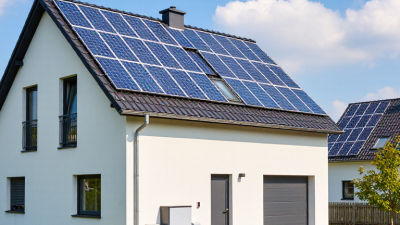
In China, ten solar solutions serve different budgets and sites. Standard rooftop photovoltaic systems are often the simplest fit for homes and factories. High-efficiency N-type modules suit roofs where space is limited, though they may cost more. Bifacial panels can capture reflected light on bright, open surfaces. Utility-scale solar farms benefit from large sites, but need suitable grid connections. Costs vary.
Agrivoltaic systems share land with crops, while floating solar uses reservoirs and may reduce land pressure. Building-integrated photovoltaics replace parts of a façade or roof, but design and installation can be demanding. Off-grid systems power remote cabins or pumps; battery storage adds expense. Hybrid solar-and-storage systems help businesses use more power after sunset. That matters.
Solar water heaters can be economical for homes, hotels, and public facilities with steady hot-water demand. Concentrated solar thermal plants suit large projects with strong direct sunlight, but require complex equipment. Compare installed cost, expected output, maintenance, and local sunlight—not module efficiency alone. A shaded roof changes the calculation. Grid access can, too. A careful site assessment is useful, though estimates may still miss seasonal dust or future repairs.