Top 10 Best Home Solar Power Systems in 2026
Choosing a home solar power system in 2026 means weighing more than panel output. The right setup must suit your roof, electricity use, budget, and backup needs. A family with afternoon air-conditioning may value battery storage differently from a household that uses most power after sunset. Small details matter: roof shade, inverter type, warranty terms, and how much energy a battery can actually deliver.
International Energy Agency Executive Director Fatih Birol has called solar “the new king of electricity.” That broader trend is encouraging, but it does not make every home installation a good fit. A sunny roof can still have awkward angles. A large battery can still be poor value if it rarely gets used. We should say that plainly.
This guide compares ten home solar power system options using practical considerations: equipment quality, system flexibility, monitoring, warranty coverage, and suitability for different households. The best choice is not automatically the most powerful or the most expensive. Look closely at what is included, whether the system can expand later, and how projected savings are calculated. Ask for site-specific estimates, not just attractive online figures. Results vary with local electricity prices, weather, roof conditions, and usage habits. No ranking can replace a proper assessment of your home. It can, however, help you ask sharper questions before signing.
How Home Solar Power Systems Work in 2026
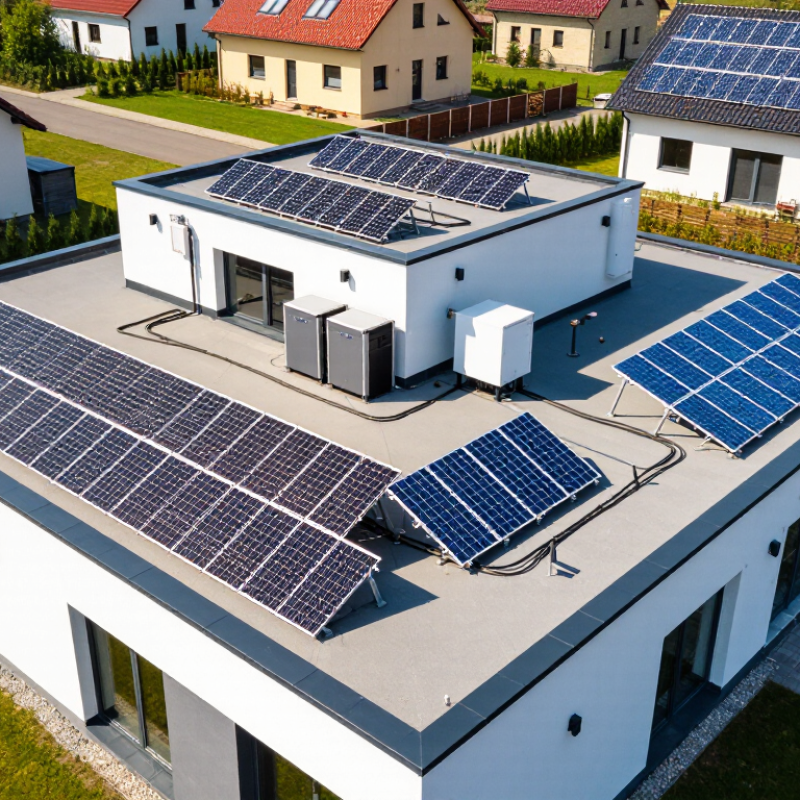
A home solar system turns sunlight into usable electricity through a simple chain. Photovoltaic cells in the roof panels produce direct current (DC). An inverter converts it to alternating current (AC), which household appliances use. A monitoring device tracks production, often hour by hour. It’s not magic. Clouds, roof direction, shade, and temperature all affect output, so two similar-looking homes may produce different amounts.
When panels make more electricity than the home needs, a grid-connected system can send the surplus to the local network; when production falls, the home can draw power from it. A battery can store some excess for later, but storage adds cost and has conversion losses. The U.S. Energy Information Administration reported that solar supplied about 4% of U.S. electricity generation in 2023. That figure includes utility-scale and small-scale solar, not just rooftops. Real roofs are messier than diagrams, and estimates should be treated as estimates.
Tips: Check the roof’s shade at different times of day, then compare your utility bills with a site-specific production estimate. NREL’s PVWatts tool models output using location, system size, tilt, and other inputs. Ask how the estimate handles shade and seasonal changes. Small details matter.
Home Solar Power Systems in 2026: Estimated Daily Output
Compare estimated energy production for residential solar systems sized from 1 to 10 kW. Estimates assume 4 peak sun hours per day and an 80% system performance ratio; actual output varies with location, weather, shading, and system orientation.
Key Features to Compare Before Choosing a Solar System
A home solar system should match your roof, electricity use, and backup needs—not just promise a high panel efficiency. Berkeley Lab’s Tracking the Sun 2024 report found a median size of about 8.6 kW for U.S. residential systems installed in 2023. Treat that as context, not a target: a shaded roof or modest energy bill may call for a smaller design. Compare estimated annual production, panel efficiency, and performance under partial shade. Ask for the assumptions behind the estimate, including roof direction and local weather. Small details matter.
Check inverter type, battery usable capacity, and warranty terms side by side. A battery’s usable kilowatt-hours matter more than its headline capacity if you need evening backup. NREL’s review of photovoltaic degradation rates reported a median decline of about 0.5% per year across the studies it analyzed. Actual results vary with equipment and conditions, so ask how long-term output is estimated. I’d also compare monitoring tools and service response times; an alert is less useful if nobody explains it. Warranty length looks reassuring, but exclusions deserve a slower read.
Top 10 Home Solar Power Systems in 2026
A useful 2026 shortlist compares system designs, not just panel output. These ten options overlap, so treat them as starting points rather than a strict ranking. 1. Grid-tied rooftop systems suit homes with reliable utility service. 2. Hybrid systems pair panels with batteries for backup. 3. Off-grid systems serve properties without practical grid access. 4. Microinverter systems manage panels individually, which can help on partly shaded roofs. 5. String-inverter systems with optimizers may suit simpler roof layouts.
6. DC-coupled storage can reduce conversion steps when panels and batteries are installed together. 7. AC-coupled storage can be easier to add to an existing solar array. 8. Ground-mounted systems offer flexible placement where yard space allows. 9. Solar carports can shade vehicles while producing electricity. 10. Small modular systems let households expand gradually. That matters. Not every roof.
Compare expected yearly production, usable battery capacity, equipment warranties, and installation costs. Ask how the system performs during cloudy weeks, not only on bright afternoons. A careful site assessment should account for roof direction, shade from trees, and household use after sunset. A tidy estimate can still miss those details. I would also check whether backup power covers selected circuits or the entire home; those are not the same thing. The right setup depends on your roof, outage priorities, budget, and local utility rules.
Top 10 Best Home Solar Power Systems in 2026 - Top 10 Home Solar Power Systems in 2026
Indicative, unbranded system configurations—not product rankings. Annual output estimates use 1,400 kWh per installed kW per year; actual generation depends on location, roof orientation, shading, weather, and system design. Panel count assumes 400 W panels; roof area is approximate panel area only.
| Configuration |
System size |
Approx. 400 W panels |
Indicative annual output |
Optional battery capacity |
Approx. panel area |
Typical household fit |
| Compact |
3 kW |
8 |
4,200 kWh |
5–10 kWh |
About 15 m² |
Small home or lower electricity use |
| Small |
4 kW |
10 |
5,600 kWh |
5–10 kWh |
About 20 m² |
Small household with moderate use |
| Small–medium |
5 kW |
13 |
7,000 kWh |
5–10 kWh |
About 25 m² |
Average-use home in a sunny area |
| Medium |
6 kW |
15 |
8,400 kWh |
10–13.5 kWh |
About 30 m² |
Typical household with moderate-to-high use |
| Medium–large |
7 kW |
18 |
9,800 kWh |
10–13.5 kWh |
About 35 m² |
Larger household or higher daytime use |
| Large |
8 kW |
20 |
11,200 kWh |
10–15 kWh |
About 40 m² |
High-use home with suitable roof space |
| Large with storage |
10 kW |
25 |
14,000 kWh |
13.5–20 kWh |
About 50 m² |
High electricity use or longer backup needs |
| Extra-large |
12 kW |
30 |
16,800 kWh |
15–25 kWh |
About 60 m² |
Large home or substantial electrified loads |
| Very large |
15 kW |
38 |
21,000 kWh |
20–30 kWh |
About 75 m² |
Very high use, subject to local rules and roof capacity |
| Maximum-scale residential |
20 kW |
50 |
28,000 kWh |
25–40 kWh |
About 100 m² |
Unusually high demand; verify interconnection and site limits |
How the Leading Systems Differ in Cost, Output, and Storage
In 2026, the biggest differences between home solar systems are often less visible than the panels themselves. Installed cost depends on roof complexity, electrical upgrades, panel capacity, and local labor. A lower quote may exclude a battery or essential wiring. Compare written proposals with the same system size and included equipment.
Output is measured in kilowatts, while a battery’s storage is measured in kilowatt-hours. Keep those figures separate. A larger array may produce more electricity over a year, but shade, roof direction, and winter daylight affect actual generation. Ask for monthly estimates, not just an annual total. Numbers need context.
Battery capacity matters most when evening use is high or outages are a concern. Check usable capacity, continuous power, and whether the system can run key circuits at once. A battery with ample storage may still have limited output for a pump or cooking appliance. That matters. Compare backup duration using realistic household loads, such as a refrigerator, lights, and internet equipment. Forecasts are estimates, not guarantees, and I would treat unusually precise savings claims with caution.
How to Choose a System for Your Home and Energy Needs
Choosing a home solar system starts with your electricity use, not a headline capacity. The U.S. Energy Information Administration reported average residential consumption of about 10,791 kilowatt-hours per customer in 2022. Your own bills may look very different. Review a full year, noting summer air-conditioning peaks and winter heating loads.
Then check the roof. Shade from a chimney at 3 p.m. can matter as much as roof direction, while older shingles may make installation timing awkward. The National Renewable Energy Laboratory’s PVWatts model estimates production using location, system size, tilt, and shading. Try conservative assumptions, not just the sunnier estimate. That matters.
Storage is a separate choice. A battery can supply selected circuits during an outage, but it does not automatically power every appliance all night. List essentials such as a refrigerator, medical equipment, and a few lights, then estimate their daily energy use. Lawrence Berkeley National Laboratory’s Tracking the Sun 2024 report documents wide variation in residential system sizes and prices, so compare complete, locally itemized proposals rather than capacity alone. I would still leave room for uncertainty: future usage and actual output rarely match a perfect spreadsheet.