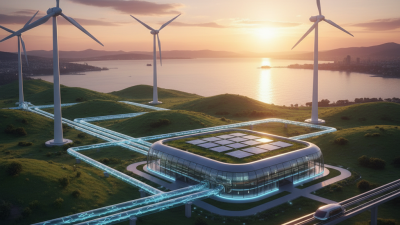
Top Renewable Energy Solutions in China for Global Buyers?
China has emerged as a leader in renewable energy solutions, attracting global buyers eager to benefit from its advancements. In 2022, China's renewable energy capacity reached 1,050 gigawatts, accounting for nearly 30% of the world's total. Renowned expert Dr. Li Jun, a leading authority in the renewable energy sector, states, "China's innovations in clean energy are paving the way for a sustainable future."
The growth of solar and wind power in China showcases its commitment to reducing carbon emissions. For instance, China installed over 50 gigawatts of solar power in 2022 alone, solidifying its position as the world's largest solar market. However, challenges remain. Supply chain issues and regional policies can complicate market entry for international buyers.
Exploring these renewable energy solutions is crucial for global partners. As demand for sustainable practices increases, China’s advancements provide exciting opportunities. Yet, understanding local regulations is vital. Buyers should remain aware of potential hurdles and adapt accordingly. This dynamic landscape calls for informed decisions.
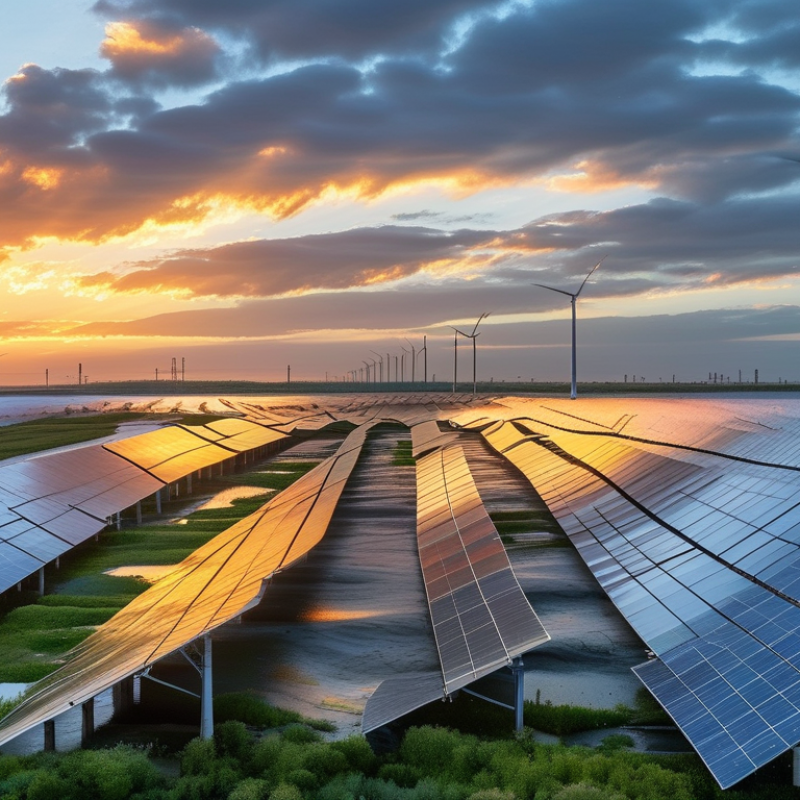
Top Renewable Energy Solutions in China for Global Buyers
China has emerged as a pivotal player in the renewable energy sector. Global buyers looking for innovative solutions can find numerous opportunities in this dynamic market. The country excels in solar, wind, and hydropower technologies. These solutions are designed to meet diverse energy needs while contributing to sustainability goals.
Investors should consider the rapid advancements in solar technology. The efficiency of solar panels has improved significantly. It’s essential to evaluate the installation processes. Local regulations can vary, impacting project timelines and costs. Potential challenges might also include finding qualified local contractors.
When assessing wind energy projects, focus on site selection. Wind patterns and local geography are crucial. A thorough analysis can prevent costly mistakes. Always seek detailed reports and projections from reputable sources. They provide insight into potential returns.
Many global buyers overlook the importance of energy storage systems. These systems can enhance the reliability of renewable energy sources. Understanding battery technologies and their lifecycle is vital. As the market continues evolving, staying informed is key.
Overview of China's Renewable Energy Landscape: Growth and Trends
China's renewable energy landscape is rapidly evolving. The country has emerged as a global leader in this sector. Renewables now account for a significant part of China's energy mix. Wind, solar, and hydropower dominate the market. Investments in these areas have skyrocketed over the past decade. However, challenges remain despite the impressive growth.
The transition towards cleaner energy is ambitious. Policymakers aim for a greener future. Yet, there are hurdles to overcome. The integration of renewable sources into the grid is complex. Storage technologies are still developing, impacting reliability. Moreover, local pollution issues continue to hinder progress. The competition among provinces can lead to inconsistencies in policy execution.
Global buyers are closely monitoring these trends. They are seeking partnerships that offer reliable resources. China's advancements provide opportunities for international collaboration. However, buyers must approach with caution. Understanding the local market dynamics is crucial. Evaluating the actual impact on sustainability is necessary.
Overview of China's Renewable Energy Landscape
Solar Energy: China's Dominance in Global Photovoltaic Production
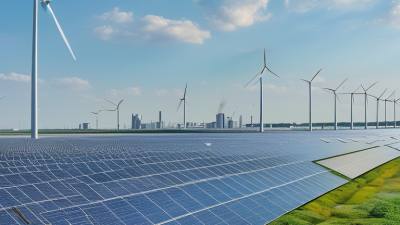
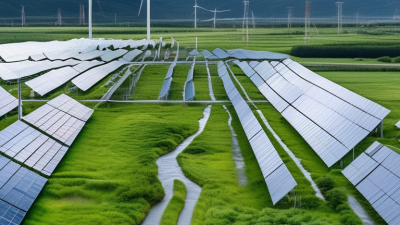
China has established itself as the leader in global photovoltaic (PV) production. The country accounted for about 75% of worldwide solar panel manufacturing in recent years, according to various industry reports. This dominance is not just due to scale but also technological advancements. The efficiency of solar cells produced in China has improved significantly, now reaching over 22% for certain models.
The Chinese solar market has also shown resilience during economic fluctuations. Public and private investments in renewable energy have surged. For instance, the National Energy Administration of China reported an investment exceeding $100 billion in solar energy projects last year. However, challenges remain. The industry faces criticisms regarding environmental impacts from production processes. Recycling of solar panels is still in its infancy.
International buyers are keenly observing these developments. The demand for affordable, high-quality solar products continues to rise worldwide. However, the heavy reliance on Chinese manufacturing could lead to supply chain vulnerabilities. While China leads in production, other countries are exploring local manufacturing to mitigate risks. Therefore, the dynamics of global solar energy may change, requiring careful consideration from buyers.
Wind Energy Developments: Key Projects and Technological Innovations
China has become a global leader in wind energy, driven by significant technological advancements and major projects. The country is home to some of the largest wind farms in the world. By 2022, China accounted for around 48% of the world's total installed wind capacity, reflecting a strong commitment to renewable energy (IRENA report). Major developments, such as the Gansu Wind Farm, have showcased the vast potential of wind resources in China's remote regions.
Recent technological innovations are transforming the wind energy landscape. Turbine efficiency has seen notable improvements, with new models reaching capacities exceeding 5 MW per unit. This efficiency gain leads to lower costs and higher energy output. The use of digital technologies and smart grids also enhances the integration of wind energy into the national grid. While these advances are impressive, challenges remain. Variable wind patterns can affect generation consistency, and integrating vast wind capacities into the existing infrastructure poses operational hurdles. Experts estimate that improving grid resilience is crucial to harnessing wind energy’s full potential (GWEC report).
As China continues to solidify its position in wind energy, global buyers must consider these developments carefully. The interplay of technological innovation and project execution highlights a dynamic industry. Challenges related to scaling up and managing resources must be acknowledged. Engaging with China’s wind energy sector can open doors for international partnerships, but it requires a nuanced understanding of the evolving landscape.
Top Renewable Energy Solutions in China for Global Buyers
| Project Name |
Location |
Capacity (MW) |
Type of Wind Turbine |
Year Commissioned |
Technological Innovation |
| Xuzhou Offshore Wind Farm |
Jiangsu |
300 |
Direct Drive |
2021 |
Smart Grids Integration |
| Huanghe Hydropower Golmud Solar Park |
Qinghai |
850 |
Multiple Rotor Designs |
2020 |
Hybrid Systems |
| Wuhai Wind Farm |
Inner Mongolia |
150 |
Gearless Turbines |
2019 |
Advanced Monitoring Systems |
| Datong Solar Power Top Runner Base |
Shanxi |
1000 |
Vertical Axis |
2017 |
Solar-Wind Hybrid Technology |
| Ningbo East Sea Wind Power Project |
Zhejiang |
200 |
High-Efficiency Turbines |
2022 |
Predictive Maintenance Systems |
Biomass and Hydropower: Emerging Opportunities for Global Investment
China's renewable energy landscape is rapidly evolving, particularly in biomass and hydropower sectors. These areas offer promising investment opportunities for global buyers. Biomass energy leverages organic materials. This includes agricultural residues and waste. By converting these materials into energy, significant waste reduction occurs. It supports sustainable agricultural practices and reduces emissions.
Hydropower remains a cornerstone of China's renewable energy ambitions. With extensive river systems, the potential for new projects is high. New hydropower plants can generate large amounts of energy. However, environmental impacts must be considered. Balancing energy needs with ecological preservation is crucial.
Tip: Research local regulations. Understanding government policies can aid investment decisions.
During exploration, keep in mind potential challenges. Infrastructure limitations may hinder project implementation. Collaboration with local experts can mitigate these risks. Forming partnerships may lead to innovative solutions.
Tip: Look for local partnerships. They provide insight into regional dynamics.
Investing in biomass and hydropower in China presents unique opportunities. However, careful consideration and planning are necessary for successful ventures.
Conclusion
China is at the forefront of renewable energy solutions, showcasing significant growth and innovative trends in its energy landscape. The country's dominance in solar energy production underscores its role as a leader in global photovoltaic manufacturing. Alongside this, advancements in wind energy through key projects and technological innovations highlight the vast potential for renewable resources. Emerging sectors such as biomass and hydropower present new opportunities for global investment, further enhancing China’s position in the renewable energy market.
Government policies and incentives play a crucial role in driving the expansion of renewable energy solutions, ensuring sustained growth and support for both domestic and international stakeholders. As global buyers look to invest in sustainable practices, China's advancements in renewable energy provide a robust framework for collaboration and development in the clean energy sector.