• Cleveland QLD 4163 Find us on Facebook

  • Why Choose Renewable Energy Systems for Your Business?

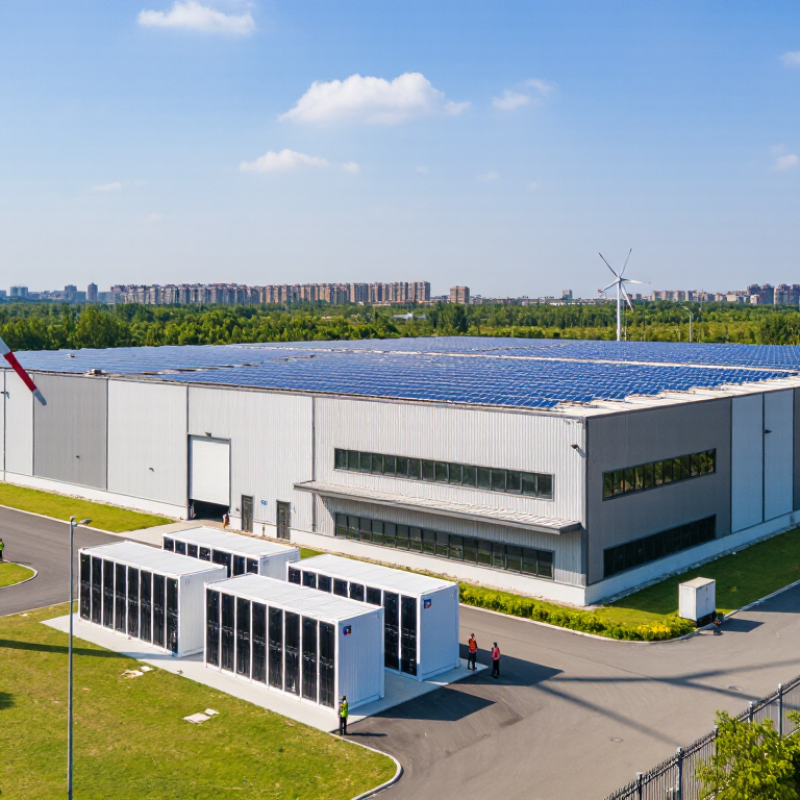
    For many business owners, energy is more than a monthly expense. It affects production schedules, operating margins, and long-term planning. Renewable energy systems can help companies generate cleaner power and reduce exposure to changing utility prices. A warehouse roof covered with solar panels may turn unused space into a productive asset. A battery can store daytime electricity for evening operations. Small changes can matter.

    The right solution depends on the building, local climate, energy demand, and available grid connection. Solar power may suit a distribution center with broad roof space. Wind energy may work better where dependable wind resources exist. Energy storage can support resilience during short interruptions, but it cannot solve every reliability problem. Professional energy audits, interval-meter data, and realistic production models should guide the decision. Guesswork is expensive.

    Businesses should also examine equipment warranties, maintenance plans, installer credentials, and system performance guarantees. Independent assessments and transparent financial projections improve confidence. Tax incentives and local requirements may change, so current advice from qualified professionals remains important. Renewable energy systems often require substantial upfront investment. Payback periods can vary widely. Some forecasts may prove too optimistic. That deserves attention.

    A thoughtful project connects environmental goals with measurable business outcomes. It tracks energy production, avoided emissions, maintenance costs, and operational performance over time. Employees and customers may value visible action, but credible results matter more than attractive claims. The strongest decision is not always the largest installation. It is the system that fits the company’s real needs, budget, risk tolerance, and future plans.
    Why Choose Renewable Energy Systems for Your Business?

    What Renewable Energy Systems Include

    Renewable energy systems include more than rooftop panels. A complete business setup may combine solar photovoltaic modules, wind turbines, battery storage, inverters, and energy controls. Each part has a specific job. Solar modules produce electricity during daylight. Inverters convert it into usable power. Batteries store surplus energy for evening operations or short outages. Smart controls balance production, storage, and demand.

    Some businesses also use heat pumps, solar water heating, or biogas systems. These options can reduce fuel use in kitchens, warehouses, farms, and manufacturing facilities. Grid connection equipment remains important, even for sites with strong renewable generation. Monitoring software records output, battery levels, equipment warnings, and energy consumption. In commercial installations, accurate data often reveals waste that staff cannot see. A poorly positioned panel can lose production. A battery can also cost more than it saves if demand is low.

    Tips: Begin with an energy audit, not equipment sales. Review twelve months of utility bills and identify peak operating hours. Check roof strength, shade, local weather, fire access, and available electrical capacity. Ask a qualified installer for production estimates and maintenance plans. Include replacement costs in the budget. The first design is rarely perfect. Businesses should compare realistic results, not only optimistic forecasts. Regular inspections help detect damaged cables, blocked vents, and declining battery performance before they disrupt daily work.

    How Renewable Energy Systems Support Business Operations

    Renewable energy systems can support daily business operations beyond reducing emissions. Solar panels may power offices, warehouses, refrigeration units, and production equipment during daylight hours. Battery storage can provide electricity when clouds arrive or the grid becomes unstable. This continuity matters for businesses handling sensitive products, digital services, or time-critical orders. Even a short outage can disrupt schedules, damage materials, and frustrate customers.

    Operational planning becomes more practical when energy use is measured closely. Smart meters can show which machines consume the most electricity and when demand peaks. Managers can then adjust production times, improve equipment settings, or store surplus power for later use. Regular inspections also matter. Dust, shading, loose connections, and battery wear can reduce performance quietly. Small faults can become expensive problems.

    The financial results are not always perfect. Installation costs may be substantial, and weather still affects renewable generation. A realistic assessment should examine roof strength, local sunlight, storage needs, maintenance access, and future expansion. Businesses should compare energy data over several seasons, not rely on one promising month. Professional installers and qualified energy advisers can help verify system capacity, safety controls, and regulatory requirements. Staff training is useful too. People need to understand alarms, backup procedures, and efficient operating habits. Renewable systems work best when technology, maintenance, and human decisions support each other. Mistakes still happen. Careful monitoring makes them easier to correct.

    Key Financial Benefits for Businesses

    Renewable energy systems can turn a business roof, parking area, or unused land into a productive financial asset. In practice, the strongest benefit is often lower exposure to rising electricity prices. A facility using 80,000 kilowatt-hours monthly may reduce grid purchases during daylight hours with properly sized solar generation. Each avoided kilowatt-hour becomes a measurable operating saving. It is not instant wealth. It creates a steadier cost base.

    Businesses can compare cash purchases, leasing, and structured financing by reviewing total cost, not monthly payment alone. Tax credits, depreciation rules, grants, and local incentives may improve project returns. However, eligibility varies by location and business structure. A qualified accountant should verify these details. Battery storage may also reduce demand charges by releasing electricity during short, expensive peaks. That benefit depends on tariff design and operating patterns. Small details matter.

    A reliable financial model should include installation costs, maintenance, insurance, equipment degradation, and possible replacement expenses. Monitoring data can then test whether expected savings match actual performance. The payback estimate is never perfect. A projected seven-year return may become nine years after energy use changes or incentives expire. Some proposals look attractive until financing fees and downtime are included. Careful businesses stress-test several electricity-price scenarios before approving the investment.

    Why Choose Renewable Energy Systems for Your Business? - Key Financial Benefits for Businesses
    Financial Dimension Relevant Data Business Financial Benefit Calculation or Interpretation Source / Scope
    Decline in Solar PV Generation Costs Approximately 90% lower global weighted-average electricity cost from utility-scale solar PV between 2010 and 2023. Lower-cost renewable electricity can improve the long-term economics of on-site generation and power-purchase arrangements. Lower generation costs generally reduce the amount of revenue required to recover project investment over its operating life. International Renewable Energy Agency, Renewable Power Generation Costs in 2023; global utility-scale data.
    Decline in Onshore Wind Generation Costs Approximately 70% lower global weighted-average electricity cost from onshore wind between 2010 and 2023. Businesses with suitable land or access to contracted wind power may obtain more predictable long-term electricity costs. Lower levelized cost of electricity can support competitive energy pricing over a project’s operating period. International Renewable Energy Agency, Renewable Power Generation Costs in 2023; global utility-scale data.
    Competitiveness Against Fossil-Fuel Alternatives 81% of newly commissioned utility-scale renewable power projects in 2023 had a lower levelized cost of electricity than the lowest-cost new fossil-fuel alternative. Renewable projects can reduce exposure to fuel-price volatility and may provide a competitive long-term energy supply option. Levelized cost comparisons include lifetime costs of construction, operation, maintenance, and fuel where applicable. International Renewable Energy Agency, Renewable Power Generation Costs in 2023; global comparison.
    Illustrative Annual Electricity Savings 150,000 per year A renewable system producing 1,000,000 kWh annually could offset 150,000 of electricity purchases at an assumed electricity rate of 0.15 per kWh. 1,000,000 kWh × 0.15/kWh = 150,000. Actual savings vary by tariff, location, system output, and self-consumption rate. Illustrative calculation using transparent assumptions; currency is intentionally unspecified.
    Illustrative Simple Payback Period Approximately 6.7 years A project costing 1,000,000 and generating 150,000 in annual electricity savings would recover its initial cost in roughly 6.7 years before financing, taxes, incentives, and operating costs. 1,000,000 project cost ÷ 150,000 annual savings = 6.67 years. Illustrative calculation; not a quote or guaranteed investment return.
    Long-Term Price Visibility Renewable generation has no fuel purchase requirement during operation. Businesses can reduce exposure to changes in wholesale electricity and natural-gas prices. Solar and wind projects still involve maintenance, insurance, grid, financing, and replacement costs; price stability is not the same as zero operating cost. General operating characteristic of solar and wind generation.
    Demand-Charge Management Potential reduction in peak-demand charges when generation or storage lowers electricity use during billed peak periods. Commercial customers with demand-based tariffs may reduce recurring charges by shifting or reducing peak grid demand. Financial impact depends on the tariff structure, load profile, renewable output timing, and storage dispatch strategy. Tariff-dependent business case; requires analysis of the customer’s actual utility bills.
    Operating Cost Predictability Energy production costs are primarily determined by upfront capital, financing, maintenance, and system performance rather than fuel consumption. More predictable energy costs can improve budgeting, margin planning, and long-term contract negotiations. Actual predictability depends on equipment warranties, maintenance agreements, weather conditions, financing terms, and grid rules. General financial characteristic of renewable energy systems.
    Potential Incentive Benefit Some jurisdictions provide tax credits, rebates, grants, accelerated depreciation, or renewable-energy certificates. Eligible incentives can reduce net project cost and shorten the payback period. Eligibility depends on jurisdiction, technology, project ownership, labor requirements, tax position, and application deadlines. Policy-dependent; businesses should confirm current rules with qualified local tax and energy advisers.
    Revenue from Excess Generation Excess electricity may be exported to the grid or credited under applicable net-metering, feed-in, or export-compensation rules. Unused generation can create an additional credit or revenue stream instead of being curtailed. Export value may be lower than the retail electricity purchase rate and varies by utility tariff and local regulation. Jurisdiction- and tariff-dependent financial opportunity.
    Illustrative 20-Year Gross Savings 3,000,000 before degradation, operating costs, financing, taxes, and tariff changes. A system saving 150,000 in its first year could generate substantial cumulative gross savings over a 20-year operating period. 150,000 annual savings × 20 years = 3,000,000. This simplified calculation does not assume electricity-price escalation or system degradation. Illustrative calculation based on the assumptions shown in this table.
    Note: Financial outcomes vary by technology, site conditions, energy consumption, electricity tariffs, financing structure, incentives, maintenance costs, system degradation, and local regulations. Illustrative calculations are provided for planning purposes and are not guaranteed returns.

    Environmental and Regulatory Advantages

    Why Choose Renewable Energy Systems for Your Business?

    Renewable energy can strengthen a company’s environmental compliance strategy. The International Energy Agency reported that global renewable capacity additions reached 507 gigawatts in 2023, increasing nearly 50% year on year. This growth reflects more than public interest. It shows that clean power is becoming a practical response to emissions targets, carbon reporting, and tighter energy rules.

    Regulatory pressure is becoming measurable. Mandatory climate disclosures increasingly require businesses to document energy use, emissions, and transition plans. Renewable systems can provide clearer operational data through generation meters and maintenance records. The International Renewable Energy Agency found that 81% of utility-scale renewable projects commissioned in 2023 produced electricity more cheaply than new fossil-fuel alternatives. Lower operating costs may also make compliance investments easier to defend financially.

    The transition is not frictionless. A shaded rooftop can reduce solar output, while weak grid connections may delay installation. That detail matters. Businesses should verify local permitting rules, interconnection limits, equipment life, and disposal responsibilities before approving a project. The Intergovernmental Panel on Climate Change also stresses that renewable deployment depends on infrastructure, storage, and responsible planning. A system can reduce emissions, but it cannot erase poor energy management. That is the uncomfortable part. Firms should measure actual performance, publish credible figures, and revise plans when results fall short.

    Factors to Consider Before Adoption

    Why Choose Renewable Energy Systems for Your Business?
    Factors to Consider Before Adoption

    Choosing renewable energy requires more than estimating annual electricity savings. Start with a professional site assessment. Review roof condition, shading, wind exposure, soil stability, and available installation space. Examine twelve months of utility bills to identify seasonal demand. A warehouse may consume most power during daylight, while a restaurant may peak after sunset. That difference affects system size and storage needs. Small details matter.

    Financial planning should include equipment, engineering, permits, grid connection, insurance, maintenance, and replacement costs. Compare realistic payback periods, not optimistic projections. Ask qualified contractors to explain production estimates and measurement methods. Check local regulations before signing an agreement. Incentives can change, and approval timelines may extend unexpectedly. Plan for delays.

    Operational resilience deserves equal attention. Battery systems may support essential loads during outages, but they cannot power every machine indefinitely. Define which circuits matter, such as refrigeration, security, or medical equipment. Confirm warranty terms, monitoring access, and technician response times. A system that looks impressive on paper may perform poorly under dust, heat, or poor maintenance. It happens. Businesses should also consider roof repairs, future expansion, and staff training. An honest feasibility review may show that a smaller system, staged installation, or efficiency upgrade fits better. Expect a few surprises.

    Why Choose Renewable Energy Systems for Your Business?

    Lifecycle greenhouse-gas emissions are an important factor to consider before adopting an energy system. Lower-emission sources can help businesses reduce their environmental impact and support long-term sustainability goals.

    Median lifecycle emissions are shown in grams of CO₂-equivalent per kilowatt-hour (gCO₂e/kWh), based on values reported by the IPCC.